Why JEE Crash Course Material is Designed Differently from Full-Year Modules
Preparing for engineering entrance exams can feel like an overwhelming race against time. Many students realize late in their preparation journey that thick textbooks and massive full-year bundles are no longer practical to finish.
Trying to read lengthy theoretical modules right before the exam causes unnecessary stress and poor revision. This is exactly where a specialized JEE crash course package changes the game.
Understanding how these shorter books differ from traditional modules can help you pick the right tools for your final revision phase.
Overview of JEE Crash Course
An intensive preparation module is a highly targeted academic setup meant to review vast syllabi within limited timelines. These books and practice sheets focus strictly on what matters most for scoring well. Instead of exploring deep foundational theories, they streamline the learning path. This allows candidates to cover multiple chapters efficiently without missing the necessary technical context.
Most short-duration books consolidate the entire syllabus into an actionable format. The layout is structured in a clear, logical sequence that helps you map out connections between various sub-topics quickly. By reducing the literal volume of pages, these resources keep your daily targets highly manageable.
Why Is JEE Crash Course Material Different from Full-Year Modules?
The core architecture of shorter competitive resources stems from a complete structural redesign. Standard yearly resources aim to build your basics from scratch through elaborate proofs and multiple derivation methods. Along with JEE Modules, students can follow a more structured path that balances concept building with efficient revision.
In contrast, revision guides skip basic background stories to deliver immediate exam value. They replace deep theoretical prose with actionable highlights and crisp summaries.
The presentation styles reflect this distinct focus. Full-year books use vast paragraphs to explain singular formulas. Accelerated books use direct tables, quick comparison boxes, and bulleted takeaways. This allows you to open a chapter, find the vital concepts in minutes, and jump straight into solving problems.
How High-Weightage Topics are Covered in JEE Crash Course?
Time limitations mean you cannot treat every single sub-topic with equal priority. Short-term revision resources excel at filtering out low-weightage sections while doubling down on heavily tested patterns. The content developers analyze past papers to make sure the books reflect actual exam distributions.
1. Topic-Wise Segregation
These concise modules separate chapters into clear topic-wise divisions. This structural choice makes it straightforward for students to isolate and target specific weak areas directly. Instead of turning over hundreds of general pages, you can open the exact subsection that needs a boost.
2. Graded Complexity Levels
The practice exercises inside these packages are highly curated. For instance, questions are divided carefully into distinct difficulty tiers like Level 1 and Level 2. This gradual structure allows you to build momentum quickly:
-
Level 1 Problems: Focus on basic concept applications, testing your immediate formula recall, and baseline understanding.
-
Level 2 Problems: Advance into complex question types and mixed-concept challenges that mirror actual test conditions.
Difference between JEE Crash Course and Full-Year Modules
To see how these resources vary across essential learning parameters, consider this comparative breakdown:
|
Feature |
Full-Year Modules |
JEE Crash Course Material |
|
Syllabus Depth |
Extensive derivations, deep historical background, and elaborate proofs. |
Focused and concise summaries, avoiding unnecessary operational details. |
|
Question Bank Size |
Thousands of repetitive problems per chapter for slow skill building. |
Around 3200 highly selected questions across the entire curriculum. |
|
Question Formats |
Standard textbook exercises, basic subjectives, and conceptual drills. |
High-yield formats like Correct-Incorrect Statement MCQs and past papers. |
|
Time Management |
Designed for gradual consumption over 10 to 12 months. |
Engineered for rapid completion within a tight 2-month window. |
|
Primary Goal |
Creating initial conceptual foundations from the ground up. |
Solidifying key concepts, refining problem-solving, and building speed. |
Who Should Use a JEE Crash Course?
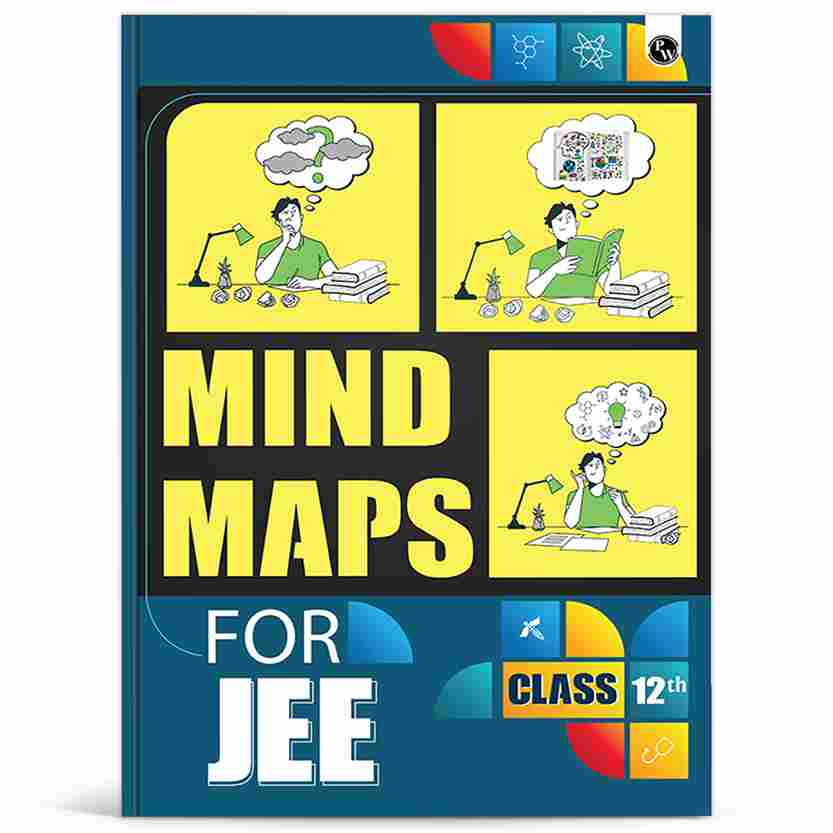
These accelerated study sets are not a one-size-fits-all solution, but they serve specific student groups exceptionally well. Resources such as the JEE Mind Map Class 12th can support faster revision by helping students connect concepts quickly and reduce last-minute confusion.
Recognizing where you stand in your preparation journey will help you determine if an intensive JEE Mains or a JEE Advanced crash course fits your needs.
-
Syllabus Completers: Students who have finished their classes but feel overwhelmed by massive reference books find these tools perfect for streamlined revision.
-
Late Starters: Candidates who lost crucial preparation months can use these streamlined guides to study high-yield topics instead of panic-reading full modules.
-
Dropper Students: Repeaters who already know basic theoretical definitions use these fast-tracked sets to get straight to problem solving.
-
Board Exam Balance Seekers: School-going students who need to pivot rapidly from descriptive school tests to objective competitive patterns use them to save precious time.
When Should You Start Using a JEE Crash Course?
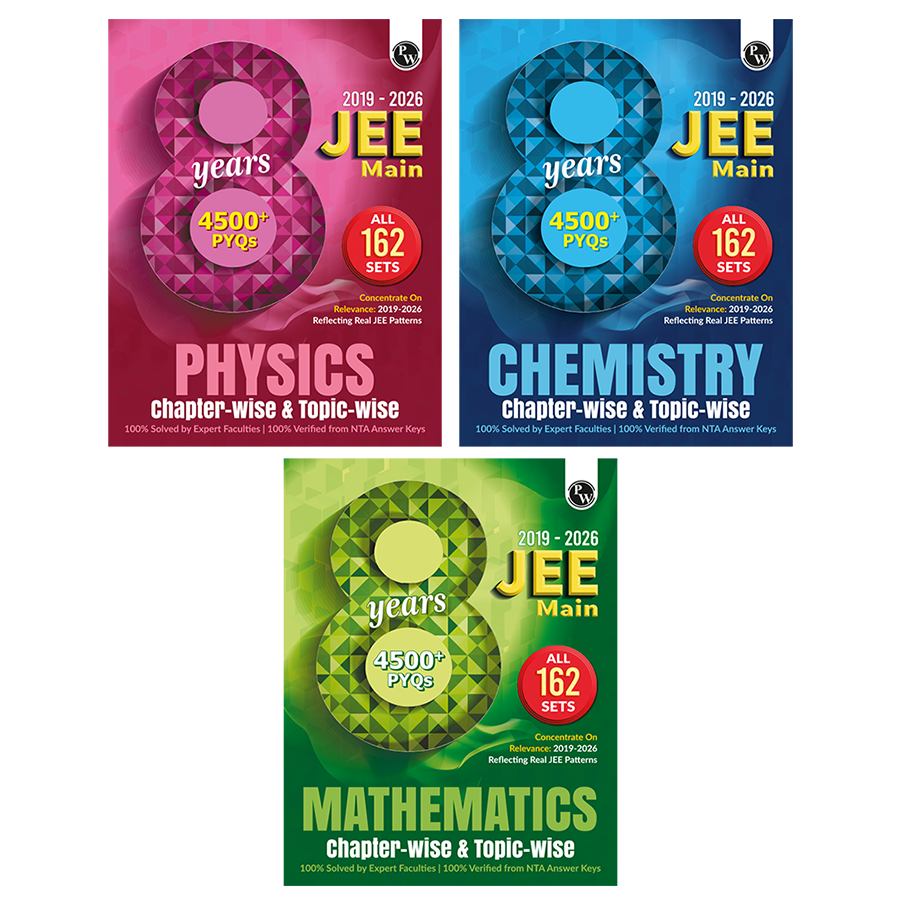
Timing your shift to short-term prep resources is highly critical for achieving the best results. Introducing an IIT JEE crash course program at the right moment ensures you do not waste time on redundant reading. Resources such as the JEE Advanced PYQ Combo 2027 can support this phase by helping students practice actual exam-level questions and strengthen revision efficiency.
Ideally, you should switch to these concise packages roughly two to three months before your final exam date. This timeframe aligns perfectly with the layout of curated study plans like the Sprint series, which is built for 60 days of intensive study.
Moving to these targeted materials too early might make you miss out on foundational text, while starting too late won't leave you enough hours to finish the thousands of practice questions provided.
Common Mistakes To Avoid With a JEE Crash Course
Many students purchase specialized short-term books but fail to see their scores improve because they treat them like regular textbooks. Avoiding these common procedural errors can protect your rank:
-
Skipping Mock Assessments: Reading through solutions passively without sitting for full-length practice tests ruins exam temperament.
-
Ignoring the Past 5 Years' Papers: Not studying real past question patterns means you miss out on understanding the actual layout of the current exam.
-
Hoarding Multiple Book Sets: Collecting too many revision books leads to information overload and leaves your chapters half-done.
-
Neglecting Error Analysis: Moving to the next chapter without figuring out why you got a Level 1 or Level 2 question wrong keeps your weak spots vulnerable.
-
Avoiding Complementary Resources: Relying solely on the printed text while skipping helpful visual aids or digital tools, such as a companion PW JEE crash course, can limit your understanding of complex topics.
Read More - JEE Main 2026 Chapter Wise Weightage
JEE Crash Course FAQs
1. How many practice questions are included in a standard JEE crash course package?
A comprehensive short-duration revision package generally includes roughly 3200 carefully selected questions across Chemistry, Physics, and Mathematics to ensure wide coverage without causing information overload.
2. Can I clear the exam using a JEE Mains crash course if my basics are weak?
An intensive revision module works best when solidifying existing concepts and refining problem-solving strategies. If your foundations are completely missing, you should use video lectures alongside the sheets to fix your basics rapidly.
3. What specific problem variations are emphasized in an IIT JEE crash course?
These specialized book sets emphasize high-yield exam variations, including complex single-correct options, numerical grid values, and challenging Correct-Incorrect Statement MCQs.
4. Do these fast-track revision books contain detailed step-by-step solutions?
Yes, high-quality fast-track materials provide accurate answer keys and thoroughly checked explanations to help students identify mistakes and build reliable test-taking insights.
5. Should I use a JEE advanced crash course alongside my school textbooks?
Yes, transitioning to targeted competitive guides helps you pivot from lengthy school board explanations to the precise, objective problem-solving methods required for engineering papers.