15 Easy Science Projects for School Using a Science Project Kit

Many students struggle to turn abstract textbook formulas into practical, working models using ordinary household items. Using a curated science project kit helps eliminate the frustration of missing components and messy setups.
This guide explores creative, hands-on science projects for school that make complex topics in electronics, renewable energy, and mechanics simple to grasp.
Whether you need easy school science projects or inspiring school science project ideas, these activities will help you build reliable, high-scoring models with total confidence.
What Are Science Projects for School?
A science project for school is a practical activity where students apply scientific principles to build working models, conduct experiments, or solve practical engineering tasks. Instead of simply memorising definitions, students actively construct systems to observe physical phenomena firsthand.
-
Interactive Models: Demonstrating physical concepts like circuits, energy conversions, or mechanical motion.
-
Practical Observations: Tracking how adjustments to voltage, light intensity, or speed alter real-world results.
-
Problem-Solving Skills: Troubleshooting loose connections, open switches, or component placements independently.
Why Use a Project Kit for Making Science Projects for School?
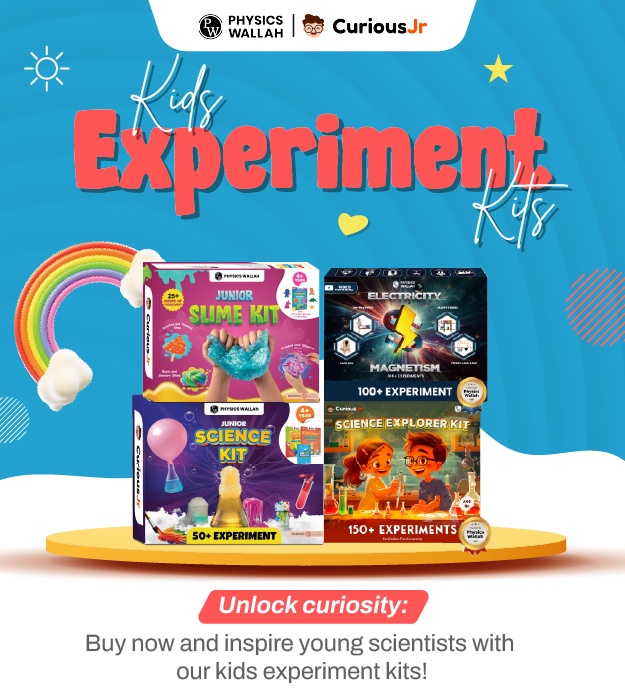
Gathering individual electronic parts, sensors, and wiring takes time and often leads to mismatched materials. A dedicated kids experiment kit provides pre-tested, compatible tools so students can focus entirely on learning and experimenting.
Here are the main advantages:
-
All-in-One Convenience: Every necessary component—like LEDs, switches, mini solar panels, and motors—is organized in a single box.
-
Safety and Reliability: Components operate safely on low-voltage setups (like standard 9V battery connections), eliminating risks associated with mains electricity.
-
Structured Learning Steps: Guided setups allow students to grasp circuit paths, switches, and sensors step-by-step.
-
Reusability: Most parts can be disassembled and reassembled easily into multiple different working models.
What are the 15 Best Science Projects for School to Try?
Science projects are a fun way to learn how things work through simple experiments and hands-on activities. Here are 15 interesting and easy science projects that students can try at school:
1. Simple Electric Circuit Model
-
Concept: Fundamentals of electrical flow and loop completion.
-
Materials Needed: Connecting wires, power source, small bulb or LED, basic switch.
-
How to Build: Connect the power source to a basic switch and wire it directly to an LED. Close the switch to complete the electrical loop and illuminate the LED.
-
Scientific Explanation: Electric current flows only when an uninterrupted, closed path exists from the positive terminal to the negative terminal.
2. LED Circuit (9V)
-
Concept: Direct current voltage application and light emission.
-
Materials Needed: 9V battery connector, resistor, bright LED, connecting leads.
-
How to Build: Attach the LED to a 9V battery snap using an inline resistor to regulate current. Observe the immediate generation of light.
-
Scientific Explanation: Light Emitting Diodes convert electrical energy directly into light energy efficiently when supplied with appropriate directional current.
3. Pencil Lead Conductive Circuit
-
Concept: Graphite conductivity and material resistance.
-
Materials Needed: Soft graphite pencil, thick paper, power leads, LED light.
-
How to Build: Draw a heavy, dark graphite track on paper. Place battery terminals at one end and contact points for the LED along the track to observe how distance changes brightness.
-
Scientific Explanation: Graphite contains free electrons that allow electric current to pass through it, acting as a natural resistor.
4. Series Circuit Network
-
Concept: Current distribution across multiple components in a single path.
-
Materials Needed: Two or three LEDs, connecting wires, single power supply, switch.
-
How to Build: Line up two or three LEDs end-to-end in a single continuous line connected back to the power supply.
-
Scientific Explanation: In a series circuit, current flows through a single path, sharing total voltage across all components equally.
5. Parallel Circuit Setup
-
Concept: Independent branching paths in electrical wiring.
-
Materials Needed: Connecting wires, multiple LEDs, power supply, branch junction points.
-
How to Build: Connect multiple LEDs across separate parallel branches connected directly to the primary power source.
-
Scientific Explanation: Parallel circuits provide every branch with full supply voltage, keeping other paths powered even if one light fails.
6. Switch-Based Circuit (Open and Closed)
-
Concept: Circuit control and current flow management.
-
Materials Needed: Manual knife switch or toggle button, LED module, battery pack.
-
How to Build: Place a toggle button along the wire path between the battery and light. Toggling the button creates or breaks the connection.
-
Scientific Explanation: Opening a switch breaks the physical pathway, stopping electron flow; closing it completes the loop.
7. Touch Sensor LED Trigger
-
Concept: Human body conductivity and low-current sensing.
-
Materials Needed: Touch sensor module, transistor circuit, LED, power unit.
-
How to Build: Wire the touch sensor module into the base circuit. Touch the designated metal contact plates with your fingertip to trigger the light.
-
Scientific Explanation: Small electrical signals route through human skin, completing high-sensitivity sensor paths safely.
Check Out: PW Science Experiment Kit
8. Touch Sensor Security Alarm
-
Concept: Sound generation via touch-activated sensor inputs.
-
Materials Needed: Touch sensor board, buzzer element, wiring connections, power source.
-
How to Build: Swap the output unit of the touch circuit from an LED to an electronic buzzer. Touch the contact surface to trigger an audible alert.
-
Scientific Explanation: Completing the high-sensitivity loop triggers an audio oscillator, turning tiny current shifts into clear audible warnings.
9. Solar-Powered Light System
-
Concept: Solar energy conversion into usable electrical energy.
-
Materials Needed: Mini solar photovoltaic panel, LED, wiring terminals.
-
How to Build: Wire a small solar panel directly to a low-voltage LED light. Expose the panel to sunlight or a direct lamp source.
-
Scientific Explanation: Photovoltaic cells convert light energy into direct current electricity without requiring chemical batteries.
10. Solar Windmill Model
-
Concept: Solar-powered mechanical rotation.
-
Materials Needed: Solar panel, low-friction motor, lightweight propeller, mounting stand.
-
How to Build: Mount a lightweight propeller onto a low-power motor shaft. Connect the motor leads to a solar panel exposed to bright light.
-
Scientific Explanation: Solar power drives the motor's electromagnetic rotor, converting light energy directly into continuous mechanical rotation.
11. Solar Optical Illusion Spinner
-
Concept: Persistence of vision combined with renewable power.
-
Materials Needed: Solar module, mini motor, patterned paper disc.
-
How to Build: Attach a disc printed with black and white optical patterns onto a solar-driven motor shaft. Power the setup to watch separate patterns blur into new visual shapes.
-
Scientific Explanation: Rapid rotation trick the human brain into merging individual visual frames into smooth, continuous illusions.
12. Energy Bridge and Home Supply System
-
Concept: Power distribution, grid layout, and structural energy efficiency.
-
Materials Needed: Model house frame, mini LEDs, main distribution wires, power hub.
-
How to Build: Construct a basic house outline and route central power lines across miniature rooms, powering individual light units from a main hub.
-
Scientific Explanation: Centralized distribution networks deliver electrical power efficiently across multiple parallel sub-circuits.
13. Speed-Controlled DIY Fan
-
Concept: Electrical resistance control and rotational mechanics.
-
Materials Needed: DC motor, fan blade, speed control module (potentiometer), battery unit.
-
How to Build: Attach a fan blade to a DC motor. Wire a rotary variable resistor into the motor circuit to adjust rotational speeds freely.
-
Scientific Explanation: Adjusting resistance changes the amount of electrical current delivered to the motor, controlling its speed.
14. Traffic Light Model
-
Concept: Automated circuit logic and switching sequences.
-
Materials Needed: Red, yellow, green LEDs, multi-position switch assembly, cardboard mount.
-
How to Build: Mount red, yellow, and green LEDs onto a vertical post. Wire each light to a multi-position selector switch to control signal phases manually.
-
Scientific Explanation: Multi-throw switching directs current along distinct paths, simulating traffic flow control logic.
15. DIY Rain Alarm Project
-
Concept: Water sensing, moisture conductivity, and automated alerts.
-
Materials Needed: Grid detection board, buzzer, 9V battery setup, connecting wires.
-
How to Build: Connect an open wire grid surface to a buzzer circuit. Drop water droplets onto the grid surface to activate the alarm.
-
Scientific Explanation: Water droplets span the gap on an open circuit grid, conducting current to trigger an immediate audio alarm.
How to Choose the Right Science Projects for School
Selecting an appropriate topic prevents last-minute difficulties during construction. Consider these four factors before beginning:
-
Class Curriculum Alignment: Match your chosen model to current syllabus topics, such as electrical principles, kinetic motion, or green energy.
-
Setup Time Requirements: Simple circuit models take roughly 20 minutes to assemble, whereas multi-switch systems require more preparation.
-
Component Availability: Working with pre-packed kits ensures you won't run out of essential parts like resistors, base mounts, or connection clips mid-build.
-
Demonstration Environment: Ensure your project suits your classroom setup. For instance, solar models need a bright lamp if natural sunlight isn't available indoors.
Tips to Make Science Projects for School More Creative
To help your project stand out during school exhibitions, consider these practical enhancements. Using Kids Activity Kits can add engaging, hands-on elements to projects while encouraging creativity, experimentation, and interactive learning.
-
Add Protective Housing: Mount loose breadboards and power sources neatly inside neat cardboard or wooden enclosures.
-
Incorporate Clear Labels: Use printed labels and arrows to highlight input paths, active switches, and output components clearly.
-
Create Dual-Output Setups: Wire both visual indicators (LEDs) and audio alerts (buzzers) to activate simultaneously for more engaging live demonstrations.
-
Prepare Comparative Displays: Show how changing variables—like comparing graphite thickness or solar light distance—directly affects output intensity.
Common Mistakes to Avoid When Making Science Projects for School
Steer clear of these common pitfalls to ensure your project works reliably during evaluation:
-
Incorrect Battery Polarity: Connecting positive and negative leads backward can prevent LEDs or buzzers from operating.
-
Loose Terminal Wiring: Unsecured wire connections cause intermittent power loss or complete circuit failure.
-
Testing Solar Models Indoors Without Adequate Light: Standard indoor ambient lighting is often too weak to run solar panels; always use direct sunlight or a bright desk lamp.
-
Overlooking Circuit Resistance: Connecting low-voltage LEDs directly to high-power sources without resistors can burn out the components instantly.
Read More: Science Project Kits for School Students
Science Projects for School FAQs
What are the easiest science projects for school for beginners?
Simple circuits, pencil graphite conductivity, and basic switch-controlled LED setups are ideal beginner projects. They require minimal parts, assemble quickly, and clearly demonstrate key electrical principles.
How does a science project kit simplify working on school assignments?
A kit supplies all necessary components—including pre-tested wires, motors, LEDs, and sensors—in one package. This saves search time and eliminates component incompatibility issues during assembly.
Can renewable energy models be used for school exhibitions?
Yes, projects like solar power lighting, solar-driven windmills, and energy-efficient home grid setups make fantastic exhibition models. They demonstrate modern sustainability concepts using interactive, working hardware.