150 Science Experiments for Kids: How to Perform Simple Experiments at Home

Sitting at a desk reading textbook theories can often make complex scientific concepts feel distant and dry. Young learners frequently struggle to visualize how physical forces, chemical reactions, and electrical circuits work in real life. When classroom lessons rely purely on memorisation, students miss out on the joy of discovery.
Engaging directly with science experiments for kids at home solves this problem by transforming abstract ideas into visible, memorable reactions.
By turning living rooms and kitchens into mini laboratories, learners gain a clearer understanding of fundamental scientific principles while enjoying an exciting hands-on educational experience that turns ordinary afternoons into engaging learning sessions.
Overview of Science Experiments for Kids at Home
Conducting interactive tests at home bridges the gap between theoretical knowledge and practical understanding. Children learn best when they can touch, observe, and manipulate materials directly. Engaging in structured hands-on activities helps turn quiet afternoons into vibrant learning sessions, encouraging children to think like real researchers.
Benefits of Home Experiments
-
Encourages Hands-On Learning: Practical tests allow children to explore fundamental principles directly rather than relying solely on reading material.
-
Promotes Critical Thinking: Analysing results, making predictions, and observing outcomes helps children build logical problem-solving abilities.
-
Sparks Curiosity: Seeing unexpected scientific reactions fosters a natural enthusiasm for discovering how the world functions.
-
Fun and Engaging: Combining structured play with educational content makes complex topics enjoyable and stress-free.
150 Science Experiments for Kids at Home to Try Easily
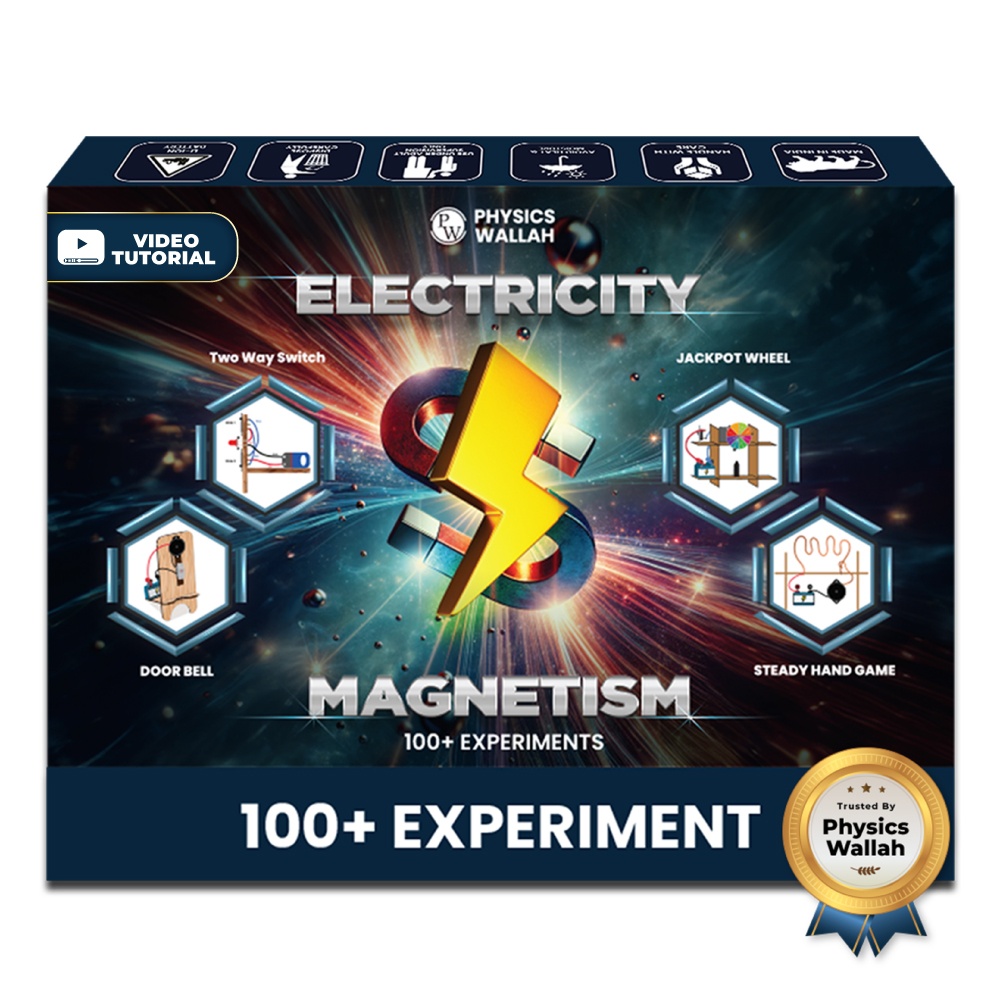
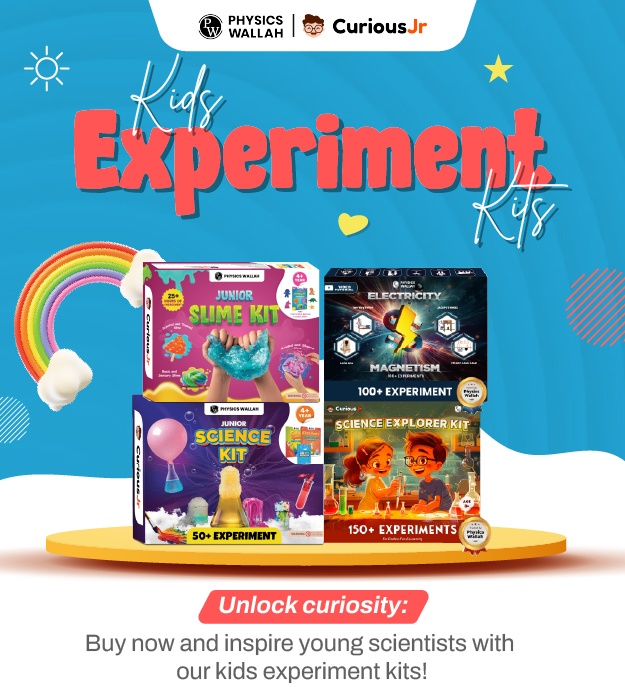
Having access to a broad variety of tests ensures that young scientists never run out of engaging activities. An experiment kit suitable for children aged 8 and up offers more than 150 unique activities categorized across multiple branches of science.
|
Category |
Practical Examples |
Key Scientific Concept |
|
Chemical Reactions |
Volcano Experiment, Acid Test, Base Test, Lemon Volcano |
Acid-base neutralisation, gas release, pH levels |
|
Fluid Dynamics & Light |
Walking Water, Color Changing Milk, Acidic Ocean Glow |
Capillary action, surface tension, light absorption |
|
Electricity & Circuits |
Hydro-circuit, Circuit Controller, Secret Buzzer, Light it Up |
Conductive pathways, switches, electric current flow |
|
Physics & Motion |
Hovercraft, Water Alarm, Electric Flutter, Soap Boat |
Air pressure, surface tension propulsion, circuit triggers |
|
Polymers & Glowing Effects |
Glowing Alien Bubbles, Squishy Ball, Jumping Orbeez, Homemade Glowing Toys |
Polymer absorption, luminescence, structural elasticity |
These simple science experiments use basic laboratory equipment alongside household compounds to demonstrate complex ideas clearly. Exploring easy science experiments for kids allows learners to discover how everyday items interact under different scientific conditions.
Integrating simple science activities at home builds a foundational interest in physical sciences early on.
How to Perform Science Experiments for Kids at Home
To get the most out of every activity, following a structured process is key. A clear routine guarantees safety while helping students record their observations accurately.
Step 1: Set Up the Workspace and Equipment
Gather all necessary laboratory equipment before starting. Work on a clear, flat table. Lay out your tools neatly:
-
Laboratory Equipment: Beakers, test tubes, spatulas, and electrical testing components.
-
Kitchen Chemical Compounds: Safe household testing ingredients supplied in your kit.
-
Safety Wear: Always put on safety goggles before handling any compounds.
Step 2: Read the Instruction Manual
Open the instruction manual and read the entire set of step-by-step explanations for the specific project. Ensure you understand what reactants or components are needed before mixing them together.
Step 3: Conduct the Procedure
Follow the steps precisely as detailed in the manual. For example, when building a Hydro-circuit or testing a Secret Buzzer, place each wire and switch in its exact place. If performing a Volcano Experiment or Lemon Volcano, use your spatula to measure compounds accurately into your beaker.
Step 4: Observe and Learn the Science
Watch the physical changes, color shifts, or electrical reactions carefully. Review the additional educational resources included in your manual to learn the fun facts and scientific principles behind what just happened.
Taking notes during these steps encourages students to record variables like timing, temperature, and reaction intensity. Comparing initial predictions with real physical results teaches kids how scientists validate hypotheses in real-world settings.
When to Try Science Experiments for Kids at Home
Integrating science experiments kits for kids at home into regular routines helps maintain an engaging learning environment throughout the year.
-
Weekend Science Projects: Spending an hour on weekends attempting activities like the Walking Water or Color Changing Milk experiment keeps young minds active outside school hours.
-
School Holiday Enrichment: During extended breaks, working through multiple categories—such as building a Hovercraft or conducting an Acid Rain Experiment—prevents learning loss.
-
Interactive Homework Assistance: When classroom topics cover electricity or chemistry, trying out practical projects like the Acid Test or Circuit Controller makes school concepts easier to grasp.
Scheduling regular activity sessions turns study hours into creative play. Children begin looking forward to exploring scientific subjects, viewing complex school topics as interactive puzzles rather than dry memorisation tasks.
Tips to Perform Science Experiments for Kids at Home Safely
Safety must always come first when working with chemicals, fluids, or electrical parts. Setting standard boundaries ensures every session remains both fun and secure.
-
Maintain Adult Supervision: Always perform tests under adult supervision, especially when using chemical compounds or electrical switches.
-
Wear Protection: Always wear safety goggles to ensure complete eye protection during chemical reactions.
-
Follow Instructions: Stick strictly to the precautions listed in the instruction manual for each specific task.
-
Keep Clean Workspaces: Clean spatulas, test tubes, and beakers thoroughly after every use to prevent unwanted residue mixing.
Setting up a dedicated cleaning area teaches organizational skills alongside scientific concepts. Washing equipment right away prevents accidental contamination during future tests and extends the life of your activity kit components.
Common Mistakes to Avoid During Science Experiments for Kids at Home
Even straightforward tasks can produce inaccurate results if key steps are overlooked. Avoid these common missteps to ensure success:
-
Skipping Safety Gear: Never begin a project involving chemicals without putting on safety goggles first.
-
Rushing Instructions: Skipping steps in the instruction manual can lead to failed reactions or unexpected spills.
-
Using Unwashed Tools: Reusing beakers or spatulas without cleaning them first can contaminate your next test.
-
Ignoring Age Recommendations: Attempting complex circuit activities without adult guidance can cause frustration; always follow age appropriateness guidelines for ages 8 and up.
Patience is a fundamental skill in scientific inquiry. When a test does not perform as expected, taking time to review each step in the manual helps pinpoint where things went off track. Learning to fix errors logically builds confidence and problem-solving skills.
Read More: 21 Educational STEM Projects
Science Experiments for Kids FAQs
What age group are these science experiments for kids at home suitable for?
These structured activities are designed specifically for children aged 8 and up.
Are safety goggles required for science experiments for kids at home?
Yes, wearing safety goggles is strongly recommended to protect eyes whenever handling chemicals or reactive liquids.
What tools are included in a kit for science experiments for kids at home?
Standard equipment includes test tubes, beakers, spatulas, chemical compounds, circuit components, and detailed instruction manuals.
Do children need adult supervision during science experiments for kids at home?
Yes, adult supervision is recommended at all times, particularly when working with electrical circuits or chemical reactions.
How do these science experiments for kids at home help students learn science concepts?
By turning abstract theory into hands-on practice, children observe real reactions, build critical thinking skills, and understand core scientific principles easily.