3D Pen Activity: What Can Kids Make With Different Colours?
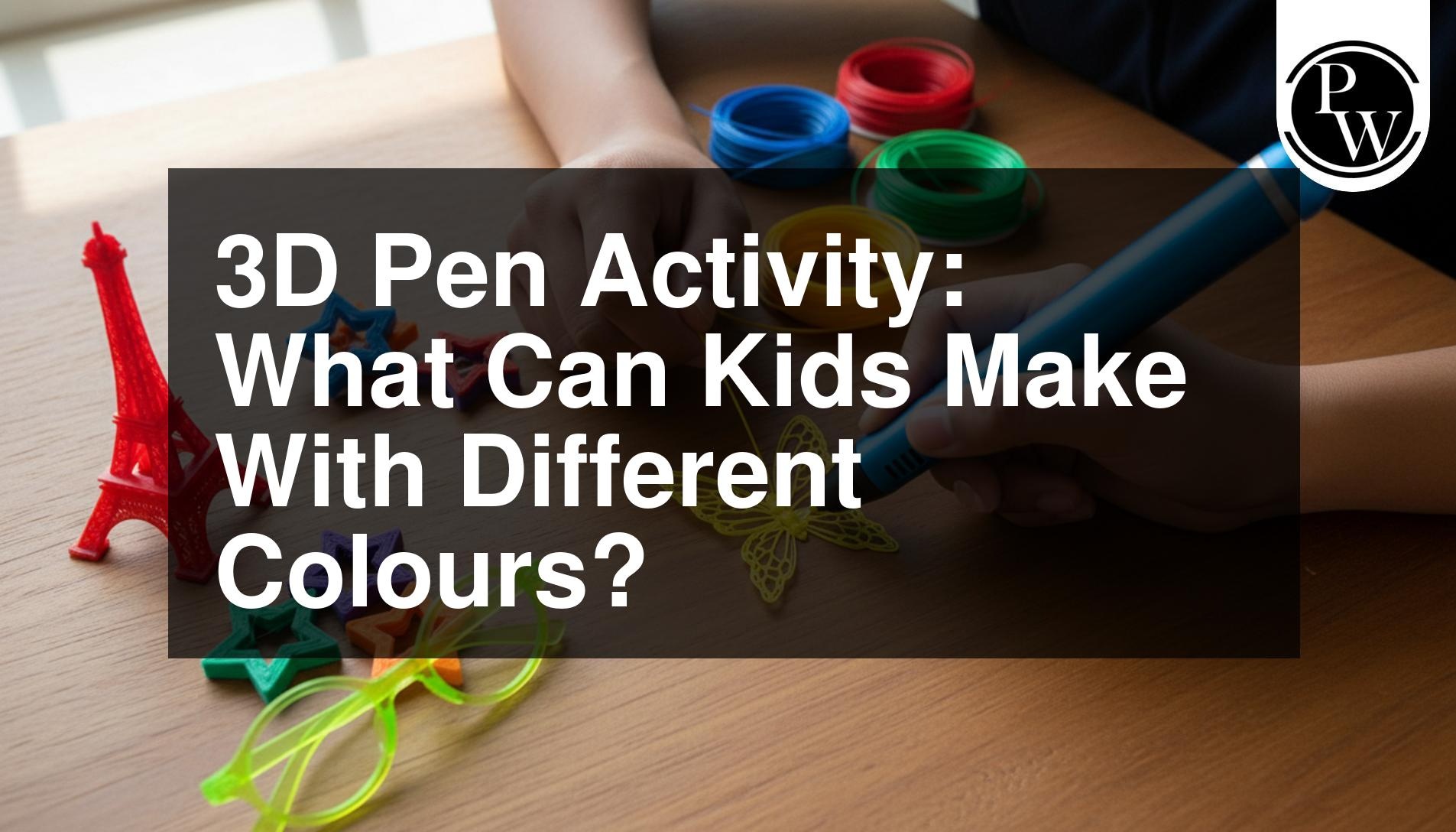
Finding engaging, screen-free hobbies that challenge young minds can often feel like a difficult task for students and parents alike. Traditional paper sketching keeps creative ideas flat and limited, leaving many aspiring designers searching for a more dynamic outlet.
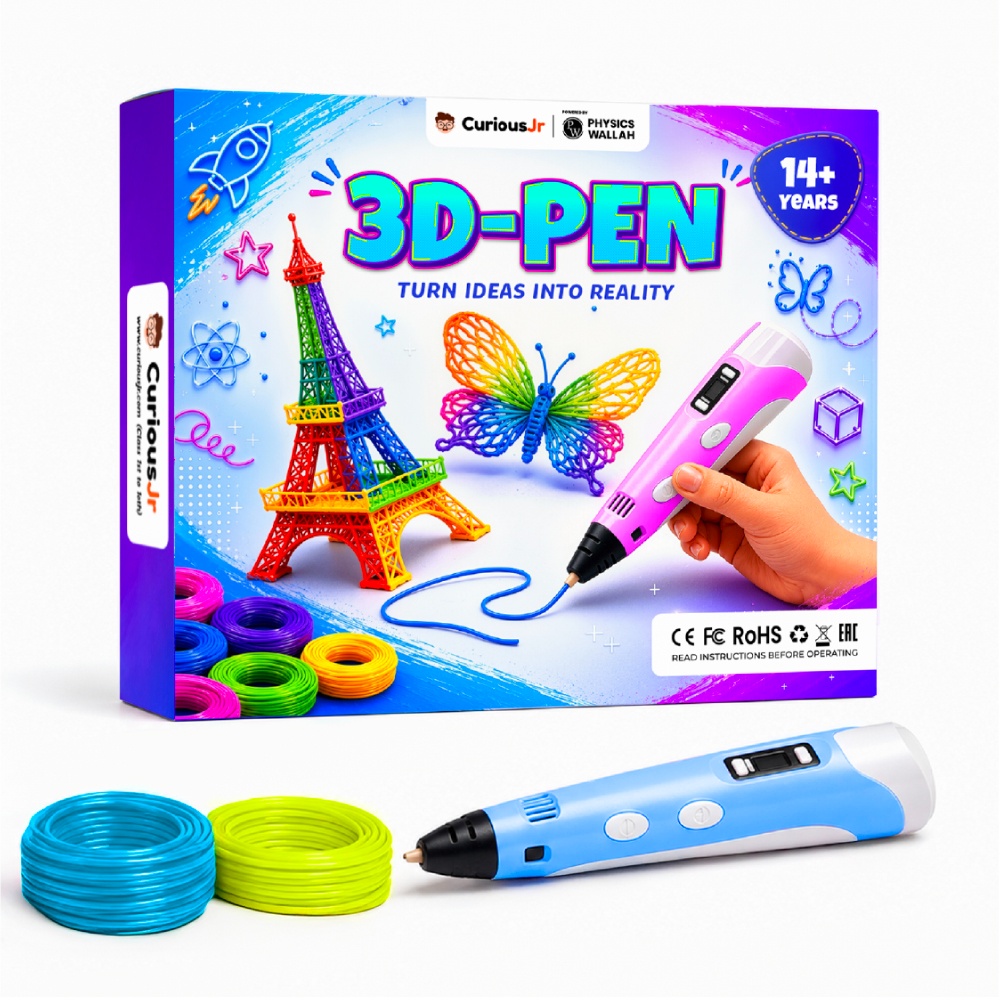
Introducing a practical 3D pen activity kits allows students aged fourteen years and above to bridge the gap between imagination and physical reality. By utilising specialized tools and vibrant plastic strands, learners can build tangible sculptures, custom crafts, and academic models.
This comprehensive guide explores everything creators can build using multiple shades, helping them turn simple filament into extraordinary physical masterpieces.
Overview of 3D Pen Activity
A structured 3D pen activity brings an entirely new dimension to standard arts and crafts by letting users draw freely in open space instead of remaining confined to a flat sheet of paper. The equipment smoothly melts plastic strands, giving students complete and precise control over vertical and horizontal lines. A standard creative kit usually comes equipped with a dedicated 3D printing pen, PLA filament refills, an instructional copy book, a USB power cable, and a protective pen stand.
-
Tactile Expression: Students build physical items directly from their imagination.
-
Spatial Development: Learners understand how two-dimensional sketches translate into three-dimensional solid structures.
-
Beginner Accessibility: Ergonomic and lightweight designs ensure comfortable handling for first-time users.
-
Screen-Free Engagement: Encourages hours of productive, hands-on artistic exploration.
What Can Kids Make with a 3D Pen Activity Using Different Colours
The versatility of this creative tool lets participants craft an extensive array of imaginative items. When incorporating multiple hues, a basic 3D pen activity becomes vibrant, detailed, and visually engaging. Users can switch between strands seamlessly to outline edges, fill in hollow sections, or create striking multi-toned patterns.
-
School Models: Essential for science, geography, and mathematics assignments.
-
Decorative Crafts: Custom keychains, miniature sculptures, and personalized room ornaments.
-
Greeting Cards: Flat paper cards enhanced with raised, multi-coloured dimensional elements.
-
Wearable Art: Lightweight geometric shapes that assemble into unique, colourful accessories.
How to Choose Colours for Different 3D Pen Activity Ideas
Selecting the right palette determines the overall look, depth, and realism of a finished model. When using kids activity kits for any creative session, understanding how shades interact helps children achieve clean and engaging results. High contrast is vital for multi-part builds, ensuring individual components stand out clearly.
-
Primary Contrast: Pair bright shades like red and blue to make structural details pop.
-
Thematic Matching: Select earthy tones for nature models or metallic hues for futuristic designs.
-
Filament Compatibility: Ensure all chosen materials melt at consistent temperatures to prevent nozzle clogging.
-
Palette Balancing: Limit initial builds to three complementary hues to maintain neat aesthetic harmony.
What are the Best 3D Pen Activity Ideas for Making Simple Shapes and Designs
Beginners benefit greatly from starting with foundational exercises before attempting intricate sculptures. Practicing basic geometry builds essential muscle memory and helps users understand how molten plastic cools and solidifies in open air.
-
Flat Geometric Grids: Draw squares, triangles, and circles on a template, then lift them off cleanly.
-
Wireframe Cubes: Connect individual square faces to form a solid three-dimensional box structure.
-
Simple Silhouettes: Outline simple shapes like stars or hearts using a single continuous line.
-
Basic Outlines: Trace 2D stencils before attempting freehand vertical stacking.
Easy 3D Pen Activity Ideas Kids Can Try at Home
Starting with manageable household projects keeps frustration low and enjoyment high. These accessible concepts require minimal setup and provide instant gratification for new users.
-
Custom Bookmarks: Design durable, flat markers featuring colourful geometric patterns.
-
Miniature Plant Pots: Construct small decorative holders for artificial desk succulents.
-
Miniature Architectural Dwellings: Build tiny house models with distinct roof and wall shades.
-
Geometric Mobiles: Hang lightweight multi-coloured shapes from a central frame.
How Kids Can Create Colourful 3D Pen Activity Projects
Bringing complex multi-shaded designs to life with Experiment Kits requires a structured, step-by-step approach. Breaking down a larger concept into manageable components ensures structural stability and neat execution.
-
Plan and Sketch: Draw a clear blueprint on paper before starting the physical build.
-
Layering Basics: Lay down a foundation layer in a neutral shade before adding decorative top colours.
-
Component Assembly: Build individual parts separately, then fuse them together using melted filament as a secure adhesive.
-
Detail Finishing: Use contrasting filament tips to add intricate surface patterns and borders.
Tips to Make 3D Pen Activity Projects More Creative
Elevating standard crafts into impressive works of art involves experimenting with advanced techniques and clever structural choices. Small adjustments in drawing speed and cooling times dramatically improve final textures.
-
Varying Textures: Combine smooth lines with woven mesh patterns for added depth.
-
Multi-Colour Blending: Melt two different strands slightly at the tip to create unique gradient effects.
-
Using Stencils: Utilize copy books and templates to maintain clean, accurate proportions.
-
Speed Adjustment: Slow down the extrusion motor when executing fine corner details.
Common Mistakes to Avoid During 3D Pen Activities
Even enthusiastic creators occasionally encounter hurdles that disrupt their workflow. Recognizing these common errors helps maintain smooth operation and prolongs equipment lifespan.
-
Incorrect Temperature: Using heat settings incompatible with the chosen plastic filament type.
-
Rushing the Cooling: Moving freshly drawn lines before the material has fully hardened.
-
Neglecting Maintenance: Failing to unload the plastic strand after finishing a creative session.
-
Overfeeding Filament: Forcing material through the nozzle too quickly, causing jams.
Read More: Science Project Kits for School Students
3D Pen Activities FAQs
What kind of projects are best for a 3D pen activity?
Simple geometric shapes, school science models, custom keychains, and decorative greeting cards serve as ideal starting points for beginners.
How do different 3D pen activities help with learning?
They improve spatial thinking, hand-eye coordination, problem-solving capabilities, and fine motor skills through engaging screen-free practice.
What materials are required for successful 3D pen crafts?
A reliable 3D printing device, a steady power source, a protective stand, a template book, and compatible plastic filament refills are all necessary.
Can beginners easily manage multi-coloured 3D pen ideas for kids?
Yes, beginners can easily handle multiple shades by planning their designs ahead of time and switching filament strands as sections are completed.
Who can participate in these 3D pen projects for kids?
Students aged fourteen years and above, hobbyists, beginners, and anyone interested in exploring three-dimensional design can safely enjoy these projects.