Best Science Experiments for Kids by Class: Easy Activities for Classes 1–8
Trying to conduct activities without age-appropriate guidance leads to confusion or unsafe practices. Selecting targeted science experiments kits by class solves this issue by giving learners hands-on projects suited to their skill level.
Engaging in practical tasks fosters problem-solving abilities and sparks curiosity across different age groups. Using structured activities from primary to middle school helps students absorb scientific concepts in an enjoyable manner.
Exploring science experiments for class 1 to 8 establishes a clear progression for young minds to develop critical thinking naturally.
What Are Science Experiments by Class
Structuring practical learning around specific age groups ensures every activity matches a child's cognitive ability and safety requirements. Simple activities introduce primary students to basic sensory observation, while advanced kits let older learners study chemical reactions and electrical circuits.
Organising practical tasks by grade offers clear educational advantages:
-
Promotes Critical Thinking: Helps students develop logical problem-solving skills step by step.
-
Encourages Hands-On Learning: Allows students to explore core concepts directly rather than relying only on textbook notes.
-
Sparks Curiosity: Fosters a lifelong interest in discovery through exciting visual demonstrations.
-
Ensures Safety: Uses materials tailored to specific age groups with appropriate supervision guidelines.
Best Science Experiments by Class for Classes 1 to 8
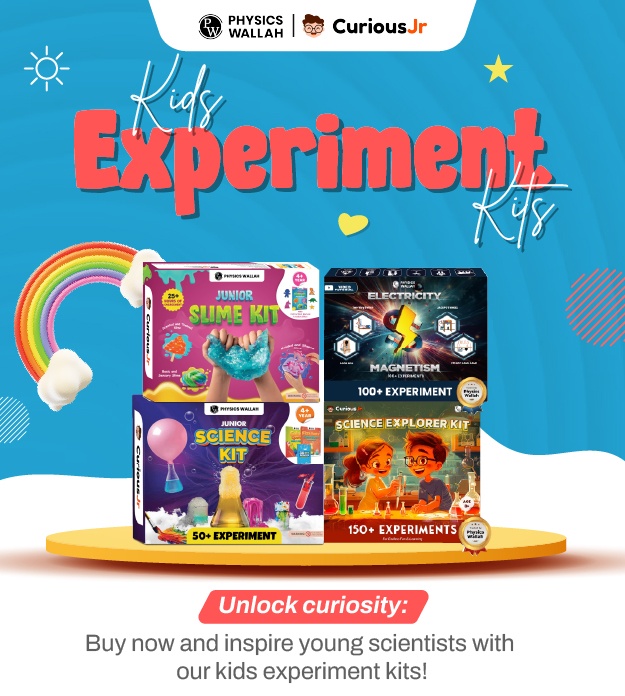
Selecting appropriate science activities by class keeps students engaged at every step of their primary and middle school education. The 150 Science Explorer Kit for kids can support hands-on learning and help children explore scientific concepts through practical activities. Here is a guide to structured practical activities for each grade level:
Class 1: Exploring Visual Wonders
-
Color Changing Milk: Add food dye to milk and drop in a touch of soap to watch colours separate rapidly.
-
Walking Water: Place paper towels between cups filled with coloured water to demonstrate capillary action.
Class 2: Simple Surface Reactions
-
Magic Inflator: Combine simple kitchen ingredients inside a bottle to inflate a balloon automatically using gas production.
-
Soap Boat: Place a small drop of dish soap on the back of a paper boat to propel it across water.
Class 3: Tactile & Density Tests
-
Squishy Ball Experiment: Blend materials to form soft, flexible spheres for tactile exploration.
-
Floating Orbeez: Observe how water-absorbing beads grow and react in liquid containers.
Class 4: Visual Chemical Changes
-
Lemon Volcano: Carve a lemon, add basic kitchen compounds, and observe a bubbling reaction.
-
Secret Message Writing: Write hidden notes with invisible liquid solutions that reveal text when exposed to heat or light.
Class 5: Light & Basic Chemical Concepts
-
Acid Test and Base Test: Use indicators to observe color shifts in household liquid samples.
-
Mirror Rainbow: Shine a light through water onto a mirror to split light into vivid spectrum colours.
Class 6: Physics and Light Dynamics
-
Light It Up: Connect simple electrical components using a battery to light small bulbs safely.
-
Hovercraft Project: Construct a gliding device using balloons and flat discs to demonstrate air pressure.
Class 7: Circuits and Earth Science
-
Hydro-circuit and Circuit Controller: Assemble working circuits using specialized controllers and water components.
-
Acid Rain Experiment: Simulate environmental pH changes to observe their effects on surrounding materials.
Class 8: Advanced Electronics & Environmental Studies
-
Acidic Ocean Glow: Test environmental reactions under specialized light indicators.
-
Secret Buzzer and Water Alarm: Wire sound-emitting circuits that trigger when liquid bridges an electrical connection.
How to Choose Science Experiments by Class Based on Age and Level
Picking the right project requires matching the complexity of the materials to the child's academic development. Following tailored class-wise science experiments keeps tasks both educational and safe.
|
Class Range |
Suitable Age |
Focus Areas |
Recommended Equipment |
|
Class 1 to 3 |
Ages 6 to 8 |
Sensory observation, basic physics, liquid densities |
Spatula, paper cups, food dye, household liquids |
|
Class 4 to 5 |
Ages 8 to 10 |
Acids and bases, chemical indicator tests, basic optics |
Beakers, test tubes, safety goggles, indicators |
|
Class 6 to 8 |
Ages 10 to 13+ |
Hydro-circuits, electric motors, environmental science |
Circuit controllers, buzzers, specialized chemical compounds |
-
Review Complexity: Younger students excel with clear, instant visual changes. Older students need multi-step projects involving electrical wires or indicator charts.
-
Verify Safety Equipment: Always ensure safety goggles and appropriate lab equipment are used when handling acidic compounds or electrical parts.
-
Check Manual Support: Ensure activities come with detailed instruction manuals that explain the underlying concepts clearly.
When to Try Science Experiments by Class During Learning
Integrating practical activities at the right moment reinforces theoretical knowledge effectively. Using activity kits alongside classroom topics can make experiments more engaging and help students connect theoretical concepts with practical learning. Timing experiments alongside classroom topics further solidifies comprehension.
-
Before a Lesson: Performing a quick activity like a magic inflator balloon can instantly spark interest before reading textbook theories.
-
During Weekend Study: Dedicated weekend sessions give children ample time to build circuit controllers or monitor acid rain simulations without rushing.
-
After Completing a Chapter: Practicing acid and base tests after studying chemistry chapters turns abstract descriptions into memorable experiences.
-
During School Holidays: Comprehensive activity kits containing 150+ experiments offer structured learning opportunities during long holiday breaks.
Tips to Make Science Experiments by Class Easy and Fun
Running activities smoothly requires thoughtful preparation. Following these guidelines ensures stress-free learning sessions:
-
Organise Equipment Early: Gather beakers, spatulas, and compounds before starting. Keeping components ready prevents unwanted interruptions during reactions.
-
Follow Step-by-Step Guides: Refer directly to instruction manuals to execute each test accurately.
-
Maintain Safety Standards: Ensure adult supervision whenever handling electrical wires, chemical compounds, or heat sources.
-
Discuss Fun Facts: Connect practical results to real-world phenomena by sharing scientific facts during every demonstration.
Common Mistakes to Avoid in Science Experiments by Class
Even simple activities can fail or create a mess without proper care. Avoid these common mistakes to keep practical sessions engaging:
-
Skipping Safety Gear: Performing experiments with household chemicals without safety goggles poses unnecessary risks to young eyes.
-
Ignoring Age Suitability: Giving advanced hydro-circuit projects to very young learners can cause frustration rather than learning.
-
Neglecting Adult Supervision: Performing chemical or circuit tests without direct adult guidance can lead to incorrect setups or safety hazards.
-
Rushing Instructions: Skipping steps outlined in instruction manuals often yields incorrect outcomes during practical tests.
Read More: Simple Science Projects for Kids
Science Experiments FAQs
Are science experiments by class safe for home learning?
Yes, practical activities are safe when paired with adult supervision and essential protective gear like safety goggles.
What equipment is needed for science experiments by class?
Basic setups require simple items like beakers, test tubes, spatulas, circuit controllers, and kitchen chemical compounds.
Why should kids try science experiments for class 1 to 8?
Engaging in structured practical tasks promotes critical thinking, builds problem-solving abilities, and sparks curiosity across all age groups.
How do class-wise science experiments help middle school students?
Middle school projects introduce advanced concepts like hydro-circuits, water alarms, and acidic ocean tests through hands-on practice.
What age group benefits from science activities by class?
Structured activities cater to children aged 8 and up, supporting learners across primary and middle school grades.