How to Use Maths Mingle Boards: Step-by-Step Maths Activities for Kids
Many young learners struggle to connect abstract numerical concepts with practical application. Traditional worksheets often cause boredom or anxiety, leaving students disengaged during study sessions.
Implementing dynamic maths activities for kids using interactive kits bridges this gap effectively. Physical tools transform complex daily exercises into tactile, visual tasks, making foundational numbers easier to grasp. Tools such as the Maths Mingle Boards offer an engaging way to make maths practice more interactive and enjoyable.
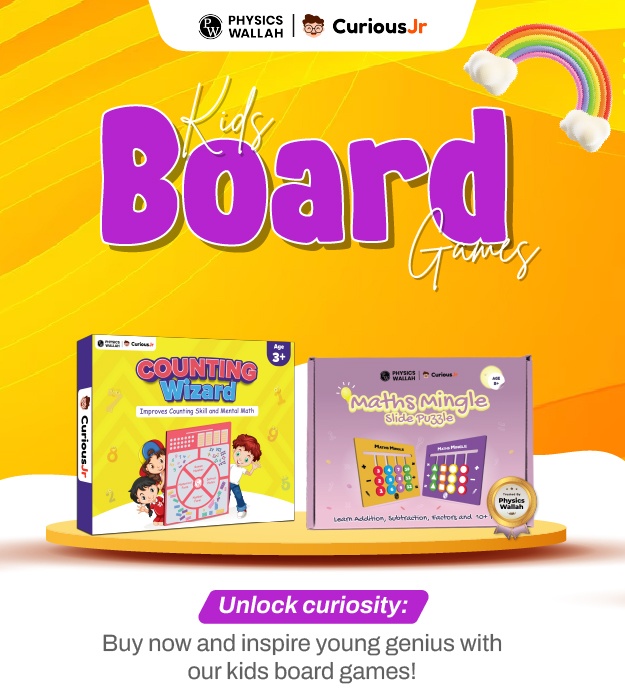
Interactive tools like board kits help children build confidence in arithmetic operations while keeping learning active and stress-free. Parents and educators can explore the Kids Maths Mingle Boards to make everyday maths practice more engaging and hands-on.
What Are Maths Activities for Kids
Hands-on numerical exercises allow children to explore mathematical concepts through active play and tactile manipulation. Rather than relying solely on repetitive textbook drills, structured tasks engage young minds through interactive visual boards, quiz cards, and spatial games. These exercises cover fundamental mathematical operations and analytical skills:
-
Basic Arithmetic Operations: Interactive tasks that focus on addition, subtraction, and multiplication strategies.
-
Number Organization: Practical exercises for arranging numbers in ascending and descending order.
-
Statistical and Factor Concepts: Hands-on practice to calculate averages, identify factors, and organize multiples.
-
Number Classification: Tasks designed to help children classify odd, even, and prime numbers effortlessly.
-
Geometric Exploration: Visual activities for identifying spatial shapes and understanding fundamental geometric properties.
Using structured fun maths activities ensures children interact directly with materials, helping abstract ideas become tangible and simpler to understand.
How Can Maths Activities for Kids Make Learning More Fun
Children naturally retain more information when their study routine incorporates interactive elements. Replacing traditional study sessions with dynamic board challenges creates an environment where practice feels like a game rather than a chore.
Interactive double-sided boards and physical quiz cards turn passive reading into active participation. When kids place quiz cards, flip boards, and physically work through mathematical problems, their focus sharpens. The blend of visual feedback and physical touch eliminates the intimidating feel of numbers. Solving puzzles through hands-on play encourages curiosity, allowing children to experiment with different calculation methods without fear of making mistakes.
Benefits of Maths Activities for Kids
Integrating hands-on tools into daily study routines offers clear educational advantages for developing young minds.
|
Feature Area |
Key Benefit |
Practical Impact |
|
Skill Building |
Develops critical thinking and problem-solving abilities |
Improves logical reasoning, numerical ability, and overall calculation confidence. |
|
Interactive Learning |
Provides tactile visual engagement |
Transforms abstract mathematical theories into simple, physical steps. |
|
Comprehensive Topics |
Covers multiple arithmetic concepts |
Consolidates addition, factors, averages, and geometry into a single kit. |
|
Versatile Use |
Suitable for home and school environments |
Functions smoothly in homeschooling, STEM learning environments, and classroom sessions. |
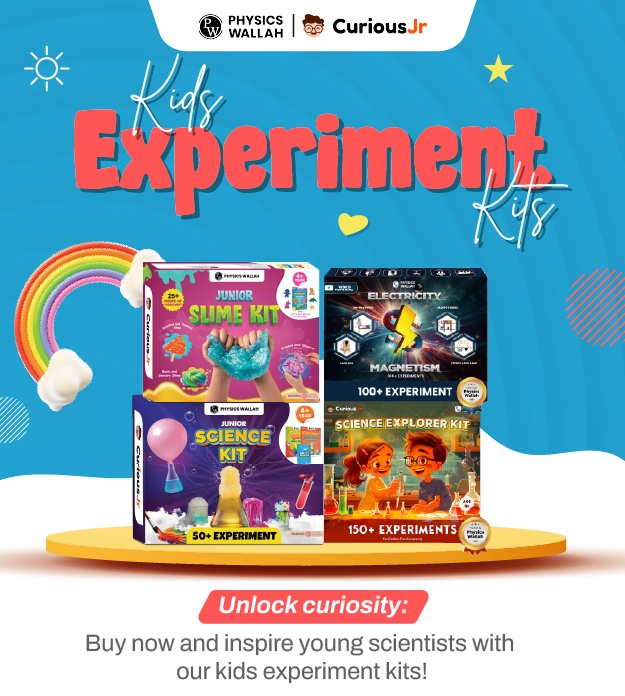
Regular engagement with tactile learning tools helps kids retain key concepts longer, boosting academic confidence across all subject areas. Parents and educators can also explore kids experiment kits to provide children with hands-on learning experiences that make concepts easier to understand and remember.
How to Use Maths Activities for Kids with Maths Mingle Boards
Using double-sided learning boards with quiz cards provides a clear, step-by-step approach to studying foundational arithmetic.
-
Set Up the Double-Sided Board: Place the high-quality interactive board on a flat table. Select either the front or back side depending on the focus topic for the session.
-
Review the Instruction Sheet: Consult the introductory instruction sheet to guide the session effectively.
-
Select a Quiz Card: Choose one of the 15 included quiz cards covering topics like addition, subtraction, multiplication, or averages.
-
Align the Card with the Board: Insert or position the card onto the board to display the problem set clearly.
-
Solve Interactive Challenges: Work through the card systematically. Practice identifying factors, arranging numbers in ascending or descending order, or classifying odd, even, and prime numbers.
-
Analyze Geometric Shapes: Use the visual sections of the board to explore basic geometric shapes and visual reasoning tasks.
This clear routine ensures structured progress, helping children move smoothly from basic arithmetic to complex problem-solving. Running maths board activities systematically ensures kids get the most value out of every study session.
When Should Kids Try Maths Activities for Kids
Introducing hands-on tools at the right moment keeps learning light, fun, and effective. Visual board sessions fit naturally into several learning scenarios:
-
After-School Study Sessions: Use interactive tools to review concepts learned during the school day without creating stress.
-
Weekend Practice: Set aside short weekend blocks to explore new topics like averages or geometric shapes through play.
-
Homeschooling Modules: Incorporate tactile boards into structured daily lessons to explain complex mathematical rules visually.
-
STEM Learning Hours: Introduce interactive problem-solving tasks during dedicated analytical activity sessions.
-
Group Study and Educational Play: Use board challenges during group play to build social learning and healthy academic interaction.
Integrating interactive boards into math activities at home gives parents a simple way to support classroom learning without overwhelming their children.
Study Strategy Plan for Maths Activities for Kids
A structured study schedule keeps practice regular, varied, and effective over time.
-
Week 1: Fundamental Arithmetic Operations
-
Focus on basic addition and subtraction techniques using quiz cards.
-
Practice multiplication strategies to build basic calculation speed.
-
Week 2: Number Sequencing and Classification
-
Arrange number sets in ascending and descending order on the double-sided board.
-
Sort numbers into odd, even, and prime categories.
-
Week 3: Advanced Concepts and Averages
-
Work on finding factors and multiples through targeted exercises.
-
Introduce the concept of averages and practice calculating the mean of simple number sets.
-
Week 4: Spatial Awareness and Comprehensive Review
-
Study geometric shapes and visual reasoning properties.
-
Rotate through all 15 quiz cards for a complete review of all learned topics.
Following a step-by-step plan helps children build solid mathematical foundations without feeling rushed or overwhelmed. Tools like the Counting Wizard can make counting practice more interactive and engaging, helping children learn numbers through hands-on activities.
Tips for Making Maths Activities for Kids More Engaging
Keeping children motivated during practice sessions requires creative routines and positive reinforcement.
-
Keep Sessions Short: Limit active board work to 15-20 minutes to maintain high concentration levels.
-
Rotate Quiz Cards Regularly: Switch cards often across different topics to keep practice fresh and interesting.
-
Encourage Verbal Explanation: Ask children to explain how they solved a problem out loud to reinforce logical reasoning.
-
Combine Visual and Tactile Clues: Point out geometric shapes or color coding on the double-sided board to help visual learners.
-
Create Friendly Timed Challenges: Use gentle time goals for completing quiz cards to build calculation speed naturally.
These adjustments help maintain high enthusiasm while strengthening core problem-solving habits. Using engaging resources such as activity kits can further encourage hands-on learning and keep children actively involved.
Common Mistakes to Avoid During Maths Activities for Kids
Avoiding common mistakes ensures practice sessions remain productive and positive.
-
Skipping the Instruction Sheet: Beginning without reading the guide can lead to confusion regarding card placement and activity rules.
-
Overloading Topics in One Session: Covering addition, factors, and geometry all at once can overwhelm young learners.
-
Focusing Only on Speed: Prioritizing quick answers over correct logical steps weakens foundational understanding.
-
Neglecting Visual Features: Ignoring the double-sided layout limits visual and spatial reasoning development.
-
Forcing Long Study Hours: Pushing past a child's natural attention span often leads to frustration and fatigue.
By avoiding these simple mistakes, parents and educators can create an enjoyable learning environment that builds long-term confidence.
Read More: Fun Maths Puzzle for Kids
Maths Activities for Kids FAQs
What concepts do interactive math boards cover?
Interactive boards cover basic arithmetic operations like addition, subtraction, multiplication, along with ascending order, descending order, factors, averages, prime numbers, and geometric shapes.
How do quiz cards help in learning math?
Quiz cards provide targeted practice problems, allowing children to focus on specific topics like calculation, number sorting, and logical reasoning step by step.
Are interactive math kits suitable for home learning?
Yes, interactive kits work well for home study, homeschooling routines, after-school practice, and group educational play.
How do visual boards improve numerical skills?
Visual and tactile boards transform abstract mathematical ideas into tangible, easy-to-understand challenges, boosting retention and analytical thinking.
Can double-sided boards be used for group study?
Yes, double-sided boards allow multiple children to engage in interactive quiz challenges, encouraging collaborative problem-solving.