How to Use Chemistry Hand Book for NEET 2027 Preparation
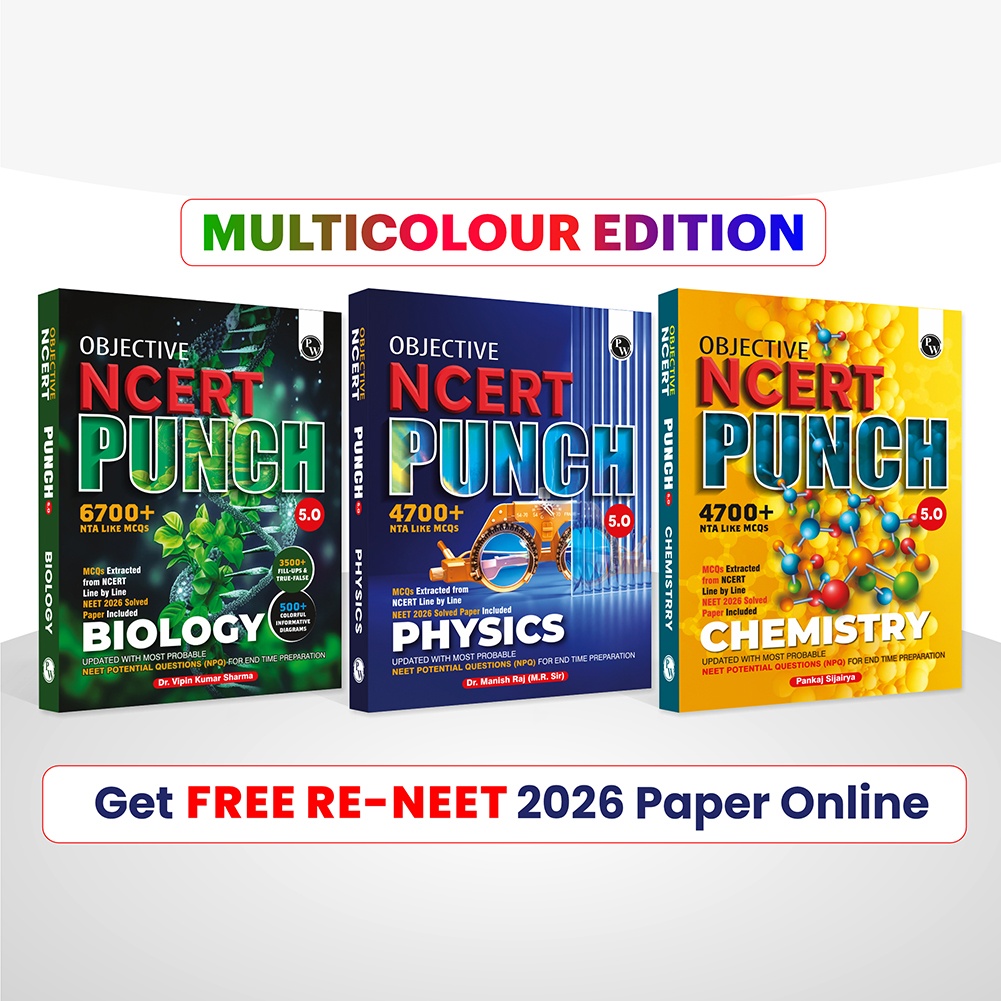
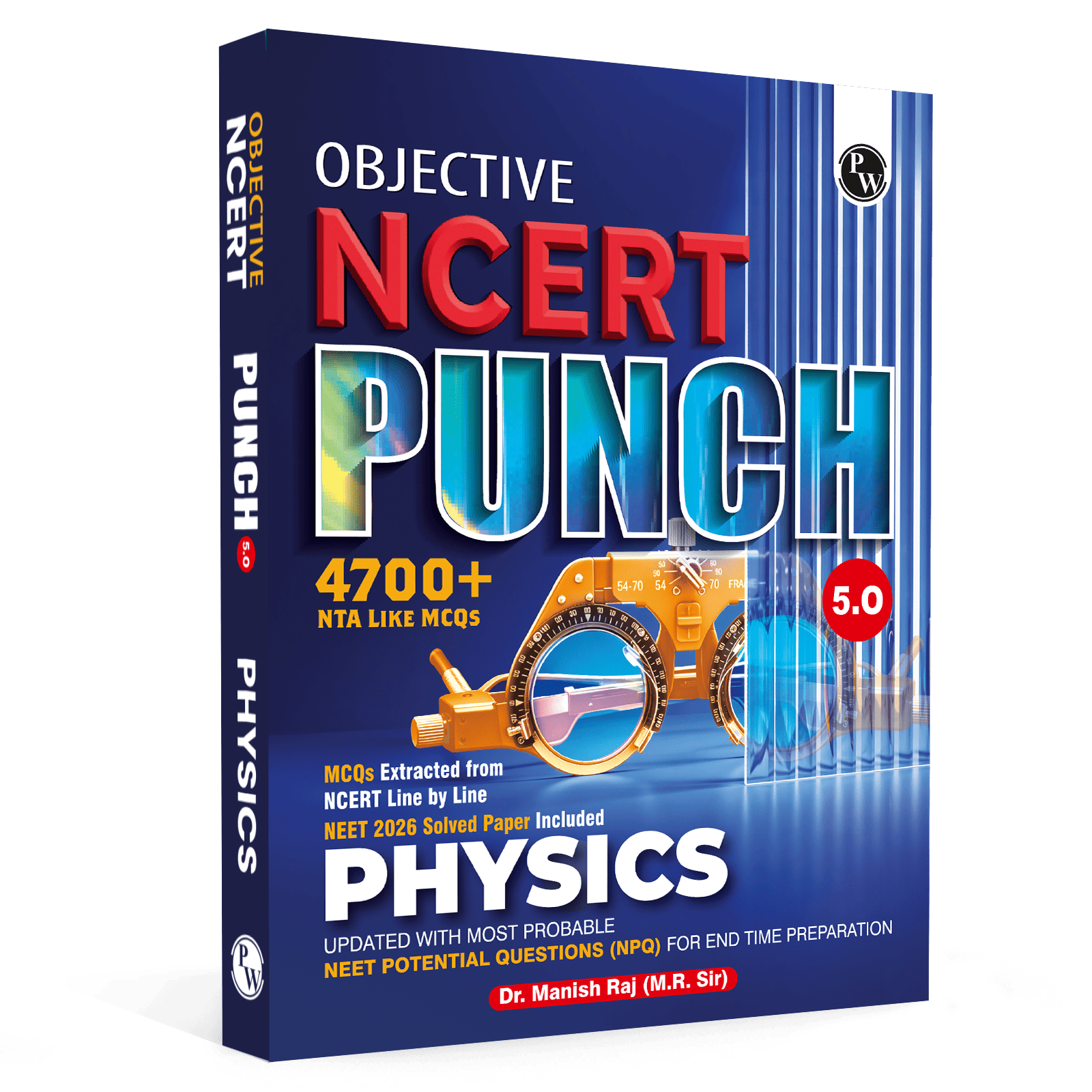
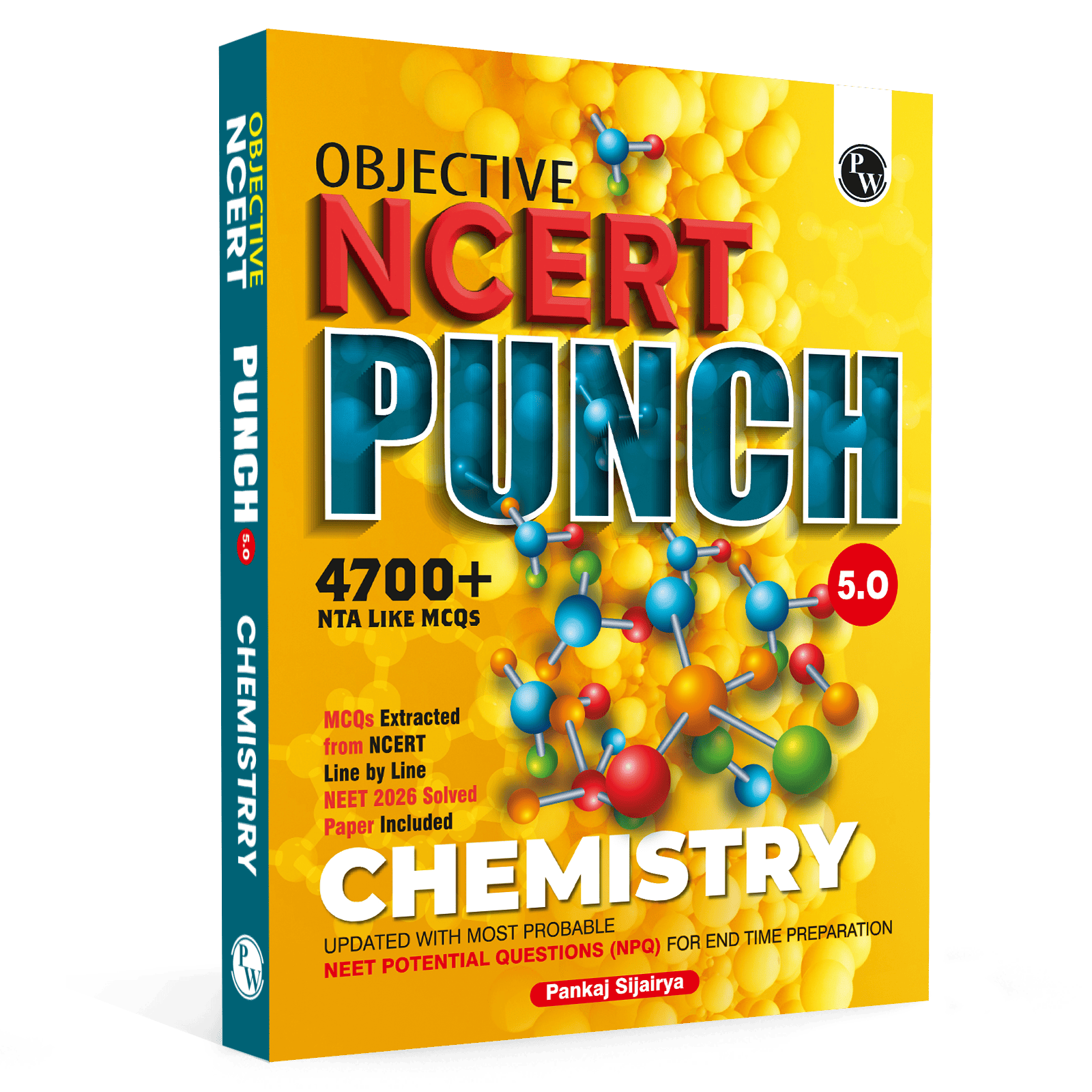
Scoring high marks in chemistry requires balancing conceptual clarity with quick memory recall. Many students struggle to revise hundreds of chapters right before the exam, leading to panic and dropped scores. This article shows you exactly how to use a NEET Chemistry NCERT Punch book to streamline your study routine, memorise reaction mechanisms, and boost your final score.
Importance of a NEET Chemistry Handbook is
Medical aspirants often get overwhelmed by the sheer volume of the syllabus. A dedicated NEET chemistry handbook serves as a compact reference guide that brings all essential topics into one accessible place.
During the final months of your preparation, you cannot afford to turn pages of massive textbooks just to find a single equation. A handbook provides a reliable shortcut.
-
It organises physical chemistry equations by chapter.
-
It saves hours of searching during intensive question-solving sessions.
-
It assists in building regular active recall habits.
Organic chemistry demands constant repetition. Having a specialised chemistry handbook NEET allows you to review named reactions, reagents, and mechanisms while traveling or during short study breaks. This constant exposure shifts information from your short-term memory to your long-term memory.
How to Study all Three Chemistry Sections with a NEET Chemistry Handbook?
Chemistry is split into three distinct parts, and each requires a unique approach when using your revision tools.
|
Chemistry Section |
Core Focus Area |
How to Use the Handbook |
|
Physical Chemistry |
Numerical problems and laws |
Focus on the NEET chemistry formulas and unit conversions. |
|
Organic Chemistry |
Mechanisms and conversions |
Memorise named reactions, reagents, and order of acidic strength. |
|
Inorganic Chemistry |
Trends and exceptional cases |
Review periodic table exceptions and chemical bonding structures. |
Physical Chemistry Approach
For physical chemistry, your priority should be mastering NEET chemistry formulas. Use the NEET NCERT Punch to write down core equations daily. Pay close attention to variables, constants, and standard units, as numerical errors usually happen due to wrong unit conversions.
Organic Chemistry Approach
Do not try to memorise organic chemistry in a single day. Use the handbook to look at reaction charts every morning. Focus heavily on the functions of specific oxidising and reducing agents, as NEET frequently tests these conceptual areas.
Inorganic Chemistry Approach
Inorganic chemistry is heavily dependent on remembering direct facts and exceptions. The handbook condenses these exceptions into neat tables, saving you from reading paragraphs of heavy text repeatedly.
How to Use a NEET Chemistry Handbook in Your Daily Study Routine?
A handbook is not a replacement for your primary textbooks; instead, it is a tool to complement them. Knowing how to use it correctly makes a massive difference in your chemistry preparation journey.
Step 1: Pre-Reading Before Lectures
Spend around ten minutes looking through the relevant handbook chapter before attending a class. This gives you a brief overview of the terms and formulas your teacher will introduce, making the actual lecture much easier to follow.
Step 2: Post-Class Summary Validation
After making detailed notes in class, open your chemistry concept book to verify that you have captured all critical points. If you find a simplified shortcut or a clean trend table in the handbook, highlight it or add it to your main notebook.
Step 3: Resolving Doubts During Question Practice
When solving mock tests or daily practice problems, keep the handbook open next to you. If you get stuck on a specific trend, such as ionization enthalpy or basic strength of amines, quickly check the handbook to clear the confusion immediately.
How to Use a NEET Chemistry Handbook to Boost Mock Scores?
Real progress happens when you move from passive reading to active revision. The right handbook helps you execute quick Chemistry revision sessions without burning out. To reinforce what you revise, regularly solve questions from a NEET Question Bank, which provides chapter-wise practice, exam-oriented MCQs, and detailed solutions. Combining concise revision with targeted question practice strengthens conceptual clarity, improves accuracy, and helps boost mock test scores as well as overall NEET performance.
The 20-Minute Daily Drill
Dedicate the first twenty minutes of your study day entirely to the handbook. Pick one chapter randomly and scan through its formulas or reactions. This method keeps older chapters fresh in your mind while you continue learning new topics in your regular classes.
Creating Flashcards
If you find certain trends difficult to remember, copy them directly from the handbook onto small flashcards. Because the handbook already provides the information in a condensed format, making flashcards becomes a quick and efficient task.
Revision Startegies for Using a NEET Chemistry Handbook
Preparing for NEET 2027 requires consistency over a long period. A handbook ensures that your revision pace matches your learning pace throughout this two-year journey.
-
Year 1: Use the handbook to build strong foundations in basic concepts like the mole concept and chemical bonding.
-
Year 2: Shift your focus toward full-syllabus mock tests, using the handbook as your primary tool for rapid weekend reviews.
Common Mistakes to Avoid While Using a NEET Chemistry Handbook
While a handbook is highly effective, misusing it can hamper your progress. Avoid these common pitfalls to get the best results.
Treating It as a Primary Textbook
A handbook summarizes information. Do not read it to understand a concept for the absolute first time. Always use your main study materials or lectures to learn the core theory, then use the handbook to memorize and review it.
Ignoring Self-Made Notes
The handbook should support your personal notes, not replace them. Your own handwritten mistakes and insights are incredibly valuable. Use the handbook to fill in gaps within your personal notes rather than abandoning your own writing.
Read More: NEET Chemistry Chapter Wise Weightage 2026
NEET Chemistry Handbook FAQs
How does a NEET chemistry handbook help in saving time?
A NEET chemistry handbook compiles all formulas, reaction mechanisms, and periodic trends into short summaries. This saves you from flipping through massive textbooks, allowing you to complete a full chapter review in just a few minutes.
Can I rely only on a chemistry concept book to clear NEET?
No, a chemistry concept book is designed for quick revision and reference. You must use it alongside standard textbooks and lecture notes to build your initial conceptual understanding and practice questions.
What is the best way to memorise NEET chemistry formulas?
The best approach is to review the formulas from your handbook daily and apply them immediately by solving practical problems. Repeating this cycle helps encode the formulas into your long-term memory.
When should I start using a chemistry handbook for NEET preparation?
You should start using a chemistry handbook NEET from the very beginning of your course. Using it early helps you preview lectures, check facts during homework, and maintain a regular revision cycle.
How often should I perform a chemistry quick revision using the handbook?
You should ideally use the handbook daily for short twenty-minute blocks. Regular, daily exposure to condensed notes is far more effective for retention than cramming for hours right before an exam.