NEET Books: How to Choose Between Modules, PYQs and Question Bank
Deciding how to allocate your study hours across different learning materials is one of the biggest hurdles during medical entrance preparation. Many candidates spend endless hours collecting study resources without knowing when or how to use them effectively.
Picking an unsuitable resource at the wrong stage leads to confusion, wasted effort, and incomplete coverage across Physics, Chemistry, and Biology. Finding a balance between concept building, problem solving, and exam simulation is vital for scoring high.
This guide breaks down how to evaluate and select the right NEET books based on your specific learning goals, ensuring every study session moves you closer to your target score.
What Are NEET Books
Resources designed for competitive entrance tests provide structured content, objective practice exercises, and analytical paper reviews tailored to the latest examination pattern. Subject experts curate these resources to simplify complex scientific principles across Physics, Chemistry, Botany, and Zoology.
Standard NEET study material covers complete syllabus requirements through balanced theoretical explanations, topic-wise assessments, and full-length exam simulations. Using high-quality printed or digital resources keeps your daily practice aligned with exact testing standards without scattering focus across unnecessary reference guides.
What Do NEET Books Include in Modules, PYQs and Question Banks
Different types of reference tools target specific stages of learning, taking you from initial concept reading all the way to final paper simulation.
-
Comprehensive Theory Explanations: Provide simplified breakdowns of fundamental principles, definitions, and key formulas across all subjects.
-
NCERT Integration Points: Highlight crucial textbook facts, diagrams, and summary points essential for quick reference.
-
Step-by-Step Solved Examples: Demonstrate practical applications of formulas and concepts to guide initial problem-solving steps.
-
Graded Exercise Sets: Group practice problems into introductory levels so you can test fundamental understanding before moving to tougher questions.
Core Features of Question Banks
Dedicated practice sets focus entirely on application, numerical accuracy, and exposure to diverse problem formats.
-
Diverse Question Varieties: Include standard multiple-choice questions, assertion-reason setups, statement-based problems, and match-the-column items.
-
Level-Wise Difficulty Split: Separate problems into basic, intermediate, and advanced levels to systematically build confidence.
-
Explanatory Answer Keys: Supply detailed step-by-step solutions to help you identify logical errors and correct calculation mistakes immediately.
Core Features of Past Year Question Books
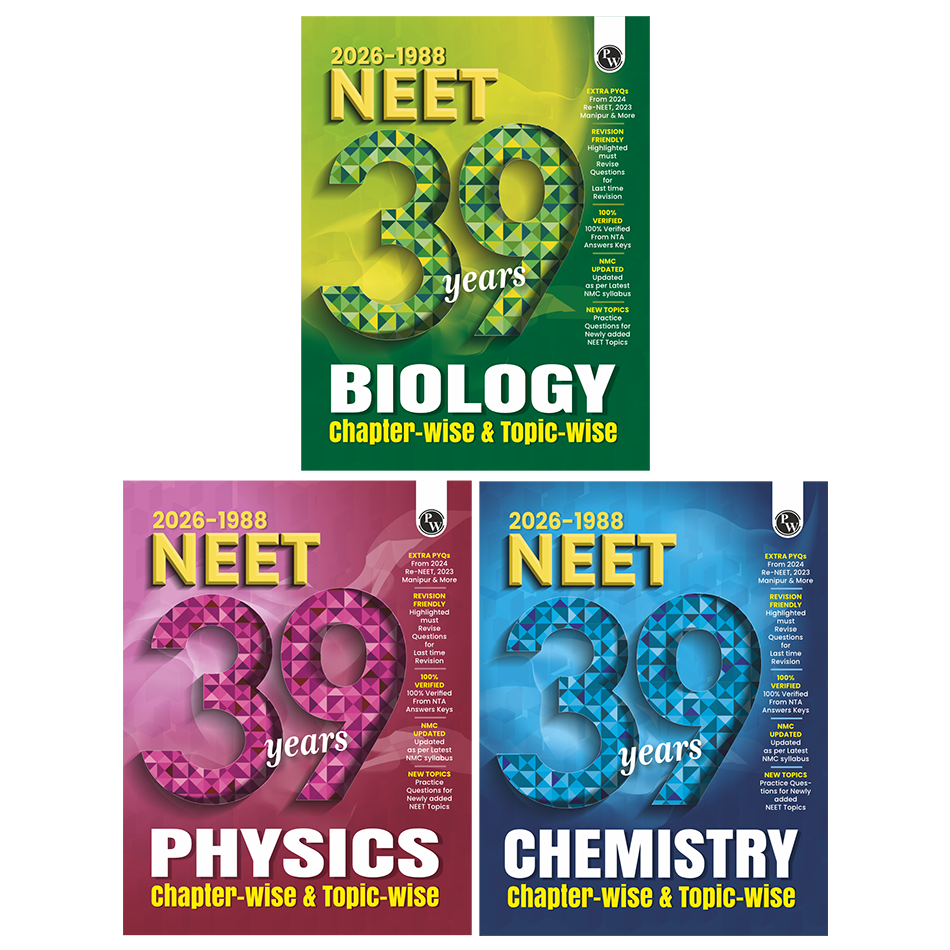
NEET Previous year paper collections offer direct insight into actual exam expectations and historical topic weightage.
-
Topic-Wise Categorization: Group actual past questions by chapter and topic, making it easy to review relevant questions right after finishing a chapter.
-
Trend Analysis Charts: Map out the frequency of questions from each unit over recent years to highlight high-priority topics.
-
Real Exam Simulation: Offer authentic past test papers to help you build time management strategies under realistic exam conditions.
How to Choose NEET Books Based on Your Preparation Needs
Selecting ideal NEET books depends directly on your current preparation phase, target areas, and immediate learning goals.
|
Learning Material |
Core Focus Area |
Primary Target Stage |
Key Practical Advantage |
|
Modules |
Theory Building & Fundamentals |
First-time topic coverage |
Delivers clear explanations and structured foundational knowledge |
|
Question Banks |
Application & Problem Variety |
Mid-syllabus practice & speed training |
Strengthens numerical accuracy and exposes you to varied question formats |
|
PYQs |
Exam Patterns & Weightage Analysis |
Final revision & paper simulation |
Familiarizes you with genuine testing standards and recurring question trends |
When Should You Use Different NEET Books During Preparation
Timing your resource usage throughout your academic schedule prevents burnout and maximizes concept retention.
-
Early Preparation Phase
During the initial months of your preparation, focus heavily on structured NEET modules alongside standard class lectures. Read theoretical sections thoroughly, study solved numerical examples line by line, and complete basic introductory exercises to solidify core concepts.
-
Mid-Syllabus Practice Phase
Once you understand the basic concepts of a unit, switch to an extensive NEET question bank. Solving varied multiple-choice problems sharpens your speed and improves application skills in Physics and Physical Chemistry, while testing detailed recall in Biology.
-
Final Revision Phase
As examinations approach, prioritize a dedicated NEET PYQ book. Solving past exam papers under strict time limits builds test-day confidence, refines time management, and highlights recurring high-weightage topics.
Study Strategy Plan with NEET Books for Modules, PYQs and Question Banks
Following a disciplined weekly plan ensures complete syllabus coverage without skipping essential problem-solving steps.
-
Days 1–2 (Theory & Basic Concepts): Read module lessons carefully, study step-by-step solved examples, and clear basic doubts before moving to unsolved problems.
-
Days 3–4 (Application Practice): Attempt 50 to 80 topic-wise questions from your practice bank, focusing on statement-based and assertion-reason setups.
-
Day 5 (Past Paper Review): Solve at least 10 years of chapter-specific past exam questions to test your application against actual paper standards.
-
Day 6 (Error Analysis & Correction): Review every incorrect attempt, consult detailed step-by-step solutions, and note recurring logical errors in a dedicated notebook.
-
Day 7 (Revision & Retention): Revise short summary notes, key formula sheets, and highlighted NCERT points to ensure long-term retention.
Tips to Choose the Right NEET Books for Practice
Selecting quality preparation materials saves valuable study time and prevents unnecessary confusion.
-
Check Syllabus Alignment: Confirm that content strictly adheres to the latest examination syllabus and updated pattern changes.
-
Verify Answer Accuracy: Pick resources that provide accurate step-by-step solutions rather than plain answer keys so you can verify your calculation steps.
-
Look for Categorized Question Sets: Select materials that categorize problems into basic, intermediate, and advanced levels along with dedicated assertion-reason sections.
-
Prioritize NCERT Integration: Ensure theory modules emphasize NCERT summaries, key formulas, and labeled diagrams for efficient revision.
-
Choose Recent Editions: Use updated publications that reflect recent question weightage trends and current exam formats.
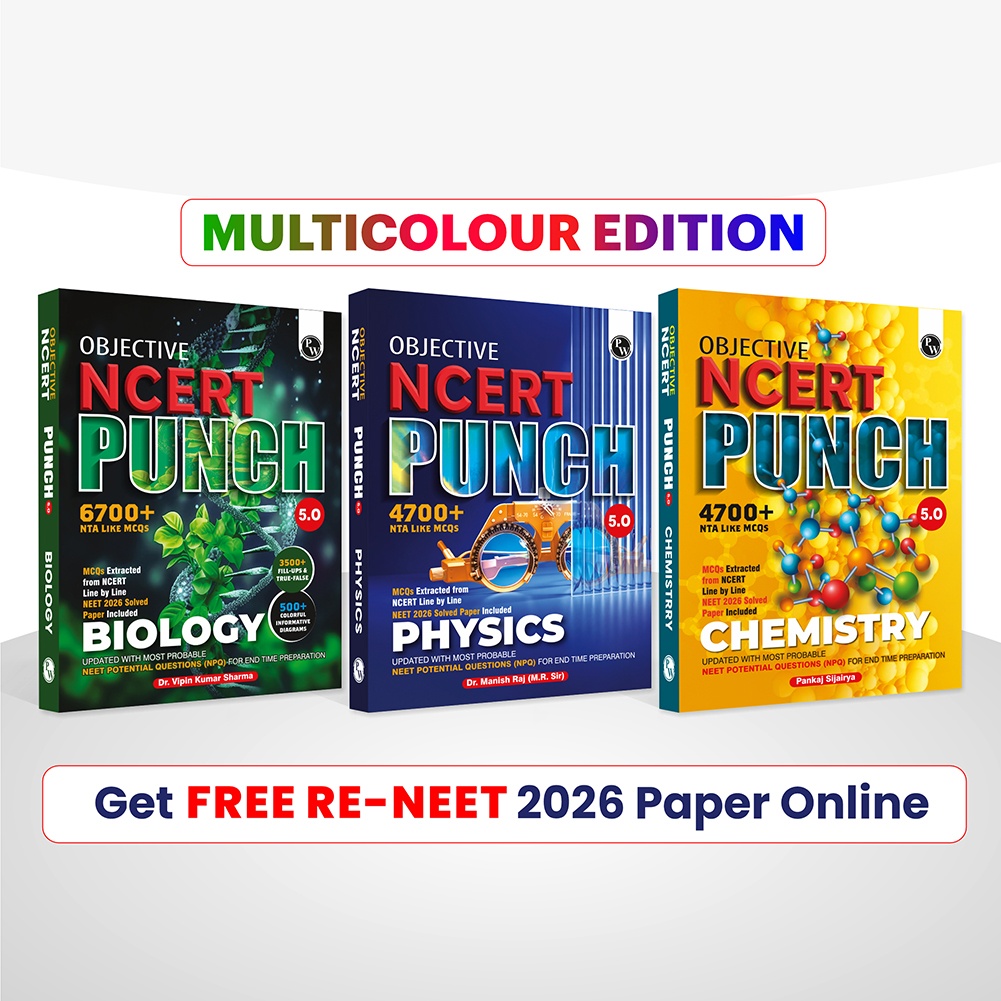
Also Check - Objective NCERT Punch Combo Set of 3 Books
Common Mistakes to Avoid When Choosing NEET Books
Steering clear of frequent resource selection errors keeps your study strategy streamlined and effective.
-
Collecting Too Many Reference Books: Owning multiple theory resources for a single subject leads to scattered focus and incomplete revision. Stick to one reliable primary source.
-
Skipping Theory for Direct Practice: Jumping into complex question banks without reading core module theory creates conceptual gaps and causes frustration.
-
Neglecting Past Year Papers: Avoiding previous paper sets deprives you of understanding the real exam difficulty level and question distribution.
-
Ignoring Solution Analysis: Checking final answers without analyzing explanatory steps prevents you from correcting recurring calculation mistakes.
Read More: NEET Syllabus 2026 with Exam Pattern
NEET Books FAQs
Which material is recommended for beginners, modules or question banks?
Theory modules are best for beginners because they offer step-by-step explanations, solved examples, and basic level-1 questions before introducing tough numerical problems.
How many years of past paper questions should I complete for each subject?
Solving chapter-wise past questions from at least the last 10 years gives you a solid understanding of recurring trends, question weightage, and difficulty standards.
Can I score high marks by relying only on previous year papers?
Past papers reveal historical trends, but combining them with structured question banks and theoretical modules ensures complete coverage across all potential syllabus areas.
When should I start incorporating dedicated question banks into my routine?
You should start using a dedicated question bank immediately after completing a chapter's basic module theory to build problem-solving speed and application accuracy.
How do comprehensive NEET preparation books assist during final revision?
Quality NEET preparation books include concise summary notes, formula lists, topic summaries, and targeted practice tests that make final revision fast and efficient.