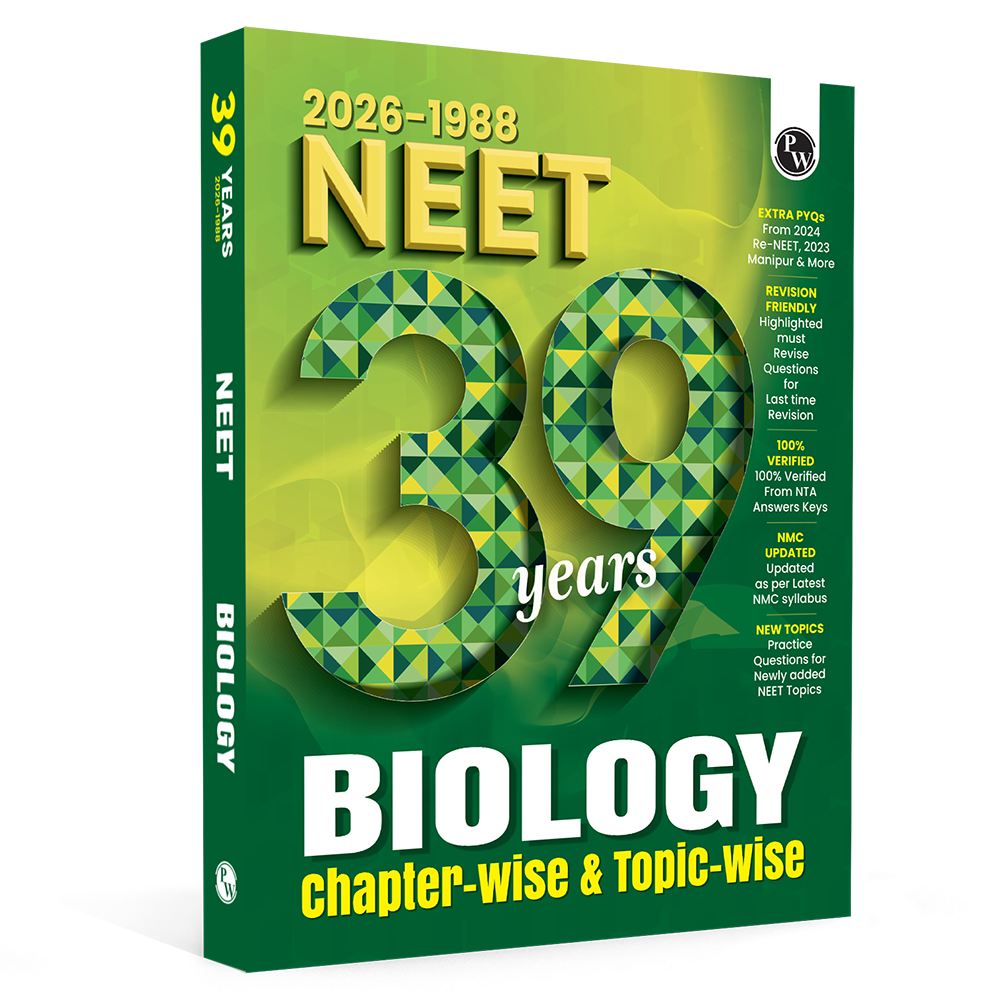
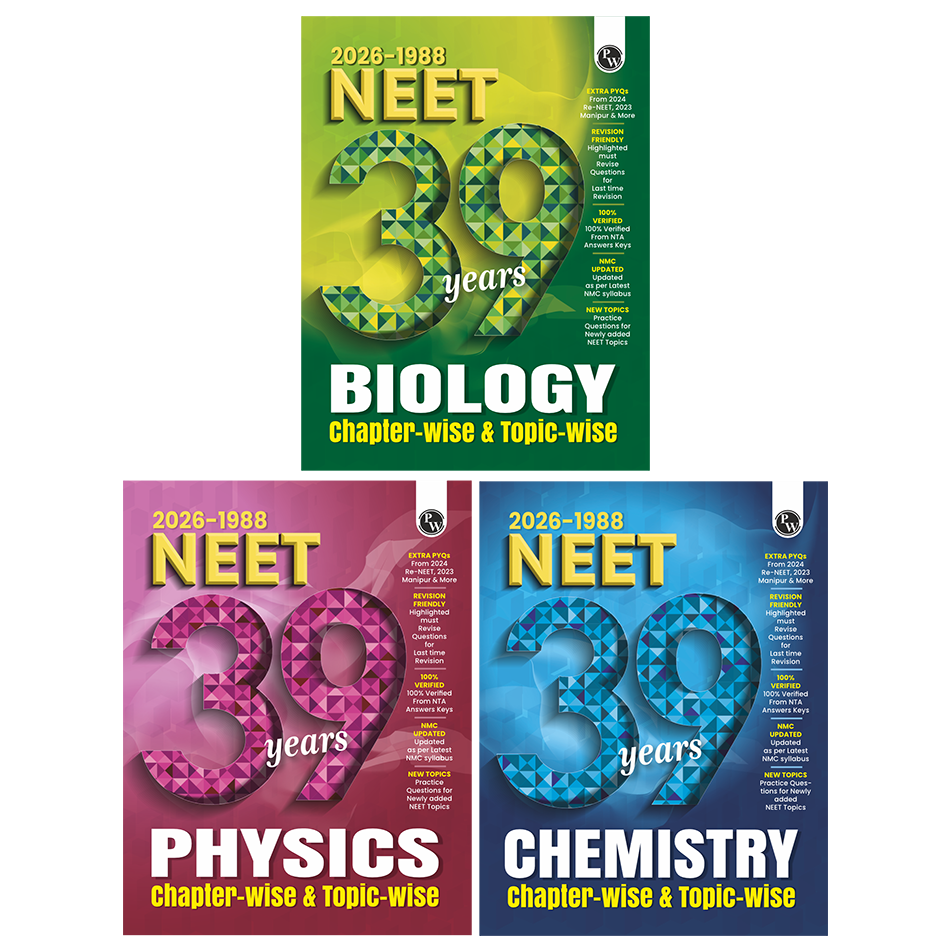
What is PYQ Déjà Vu in the 39 Years NEET PYQ Biology — A Feature Explained

Preparing for competitive medical entrance exams requires immense patience and an organised study schedule. While practising a standard NEET PYQ biology question bank, candidates often face a frustrating problem: they waste hours solving identical questions that repeat across different years.
The solution to this issue is a smart data-clustering system. The 39 Years PYQ resource addresses this issue with a unique feature called PYQ Déjà Vu. This article explains how this layout works, how it reduces your study time, and how it helps you track repeating trends effectively.
Check Out: NEET Books
Importance of NEET PYQ Biology
The biology section accounts for exactly half of the total marks in the medical entrance exam. Achieving a top rank is difficult through rote memorisation alone; it requires a data-driven understanding of examiner preferences.
Using a well-structured NEET biology PYQ book helps students identify which chapters are consistently prioritised by question designers. National-level testing agencies frequently reuse specific question archetypes, meaning that mastering these recurring themes is the most direct path to securing high marks.
|
Biology Domain |
Estimated Trend Reoccurrence |
Core Structural Focus Area |
|
Plant Physiology |
Moderate |
Enzyme pathways, transport systems, and cycle outputs |
|
Human Physiology |
High |
Functional loops, diagnostic symptoms, and organ diagrams |
|
Genetics and Evolution |
Exceptionally High |
Dihybrid ratios, pedigree charts, and molecular rules |
|
Ecology and Environment |
Moderate to High |
Conservation statistics, trophic levels, and environmental acts |
Features of the NEET PYQ Biology
The phrase "Déjà Vu" describes the feeling of encountering something that seems familiar because it has appeared before. In this specialized workbook, the term refers to identical or closely related questions that have repeatedly appeared in previous medical entrance exams.
Instead of spreading these recurring questions across decades of papers, the book organizes them into focused sections. When a concept has historically repeated, it is grouped together and linked to all the years it appeared, helping students quickly recognise important patterns and high-yield concepts. Along with this approach, practising NEET PYQ regularly helps students understand question trends, strengthen revision, and prepare more effectively for the actual exam.
The architectural design behind this feature relies on systematic classification rather than a basic chronological list. The editorial process follows a strict approach to clean up data clutter:
-
Concept Isolation: Experts scan papers from the last 39 years to map every single question to its exact sub-topic and chapter.
-
Similarity Indexing: Questions with identical phrasing, matching structural diagrams, or the same core evaluation intent are flagged.
-
Cross-Year Tagging: Instead of printing a question five times across separate pages, the book shows the core problem once with all relevant years listed beneath it.
Benefits of NEET PYQ Biology
Working with a biology NEET PYQ book that features integrated trend clustering completely changes how you interact with past papers. It transforms your daily study sessions from passive reading into active tactical analysis.
Substantial Time Savings during Revision
Going through the exact same question three or four times across different chapters takes up valuable minutes. This feature removes that redundancy completely, allowing you to redirect those saved hours toward mastering more complex topics.
Clear Visualization of Core Weightings
When a single question block is marked with multiple past years, its underlying importance becomes instantly obvious. This visual signal tells you exactly where to focus your attention, ensuring you do not spend hours on low-yield topics.
Enhanced Confidence and Exam Familiarity
Seeing an old question from the 1990s return in the 2010s or 2020s helps you understand the test's long-term evolution. This familiarity reduces anxiety, as the actual test material begins to feel like a predictable set of familiar patterns.
How to Use the NEET PYQ Biology Book?
To gain the highest competitive advantage from this PW Biology PYQ book, candidates must use it systematically rather than flipping through random pages.
-
Review Theoretical Frameworks: Complete a full chapter from your primary textbook before opening any past question modules.
-
Scan the Déjà Vu Identifiers: Identify the highly repeated clusters within the chapter to locate the most vital definitions and diagrams.
-
Execute Blind Practice: Attempt each unique question layout without looking at the hints or answer keys first.
-
Deconstruct the Answer Keys: Study the detailed explanations provided to learn how to quickly eliminate incorrect choices under real exam conditions.
For more comprehensive previous year practice, students can also use the 39 Years NEET PYQ Combo Books, which helps strengthen exam familiarity, improve accuracy, and build confidence through extensive question practice.
How Does NEET PYQ Biology Improve Conceptual Clarity?
A common trap when practicing past papers is memorizing the answer options rather than understanding the underlying science. The structural design of modern question banks addresses this vulnerability directly.
By using a dedicated NEET PYQ bio manual, students gain access to thorough breakdowns that explain the scientific principles behind each correct option. Understanding why the other three choices are incorrect helps prevent silly mistakes when examiners twist the phrasing of a classic question in future test papers.
Tips for Using NEET PYQ Biology
The final weeks before the major exam are usually filled with high pressure and tight study schedules. Navigating through thousands of unorganized questions can quickly cause mental fatigue and burnout.
By switching to a targeted NEET PYQ book biology edition that maps out recurring concepts, you can execute rapid-fire review sessions. Instead of dealing with roughly 120 separate questions per chapter, you can focus on around 40 distinct conceptual blocks that cover every historical variation.
This streamlined approach helps improve recall and makes it easier to identify the right concepts during the actual exam. Along with PYQ practice, using a NEET Question Bank can further strengthen preparation by providing structured topic-wise practice, improving question-solving skills, and supporting effective revision.
Read More: NEET Chemistry Chapter Wise Weightage 2026
NEET PYQ Biology FAQs
What is the primary purpose of the PYQ Déjà Vu feature?
The PYQ Déjà Vu feature groups identical or highly similar past questions from the last 39 years into a single entry. It displays the question once alongside all the matching years, saving study time and highlighting recurring trends.
Does this book cover the latest syllabus updates for the medical entrance test?
Yes, this resource is fully updated to reflect current syllabus guidelines, ensuring students spend their time practising only relevant questions from historical exam papers.
How does question clustering help prevent study fatigue?
By condensing repeated questions, the feature significantly reduces the total number of items a student needs to read. This allows for faster chapter completion while maintaining complete historical coverage.
Are comprehensive explanations provided for all the biology questions?
Yes, the book includes detailed, step-by-step solutions for the questions, helping students master the core concepts and develop effective elimination strategies.
Why should candidates focus on questions from decades ago?
While test formats change over time, the foundational principles of biology remain constant. Analysing older papers reveals the permanent core topics that examiners consistently return to year after year.