Why JEE Droppers who Use Batch-Aligned Modules have Better Conversion Rates

The correct study material and focused practice is required for Dropper JEE preparation. Many students are confused and overwhelmed by the many resources that cause confusion and backlogs. Prayas JEE droppers modules are developed in such a way that they complement classroom learning so that aspirants can strengthen concepts, stay consistent with revision and improve problem-solving skills. This systematic strategy can make study more efficient and exam-focused.
What Are the Prayas JEE Droppers Modules?
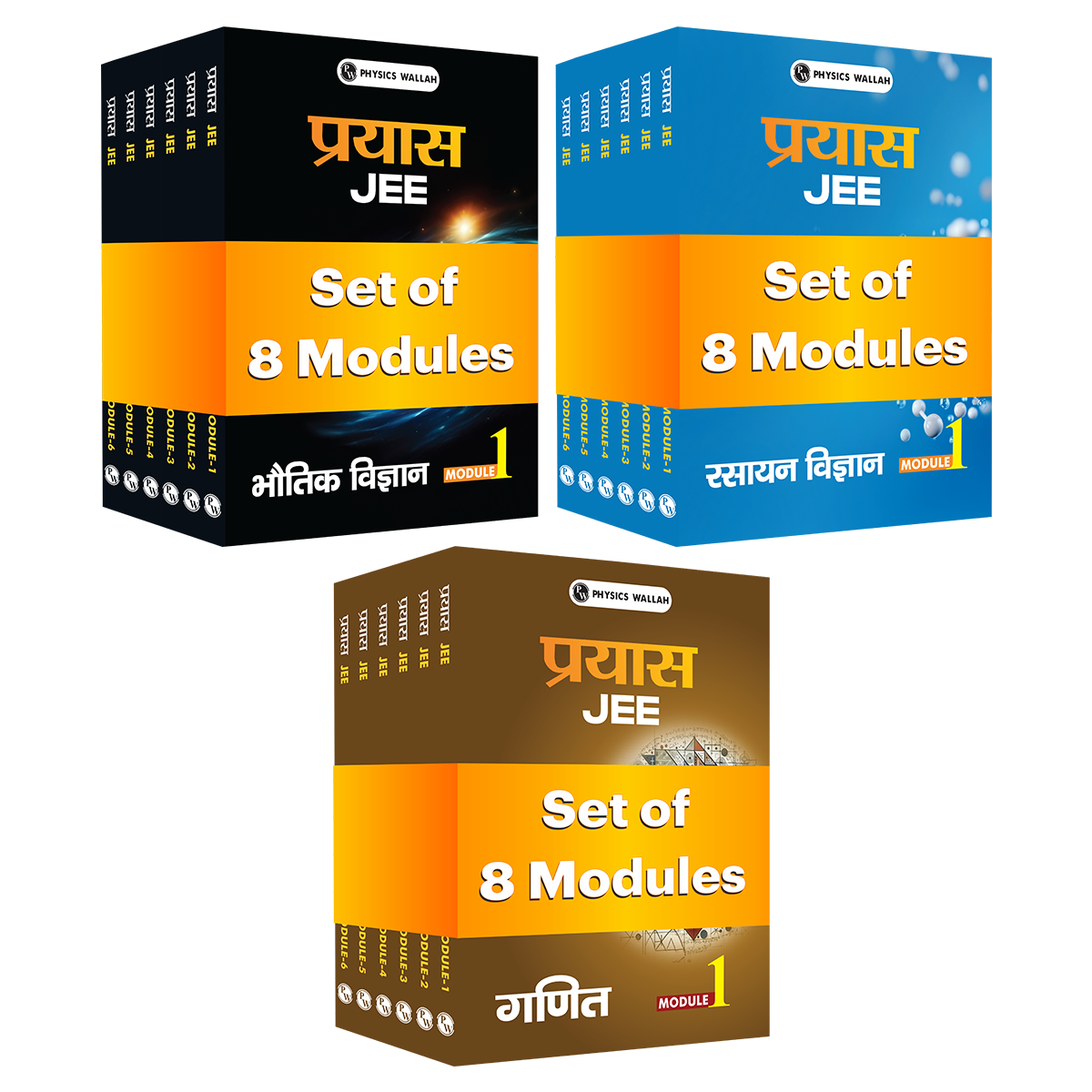
This module set is a comprehensive preparation ecosystem designed specifically for repeaters. This collection consists of a combo set of 24 books divided equally among Physics, Chemistry, and Mathematics, providing 8 modules for each subject.
Built explicitly for the Prayas JEE 2026 academic cycle, these resources provide a balanced blend of detailed text and exam-oriented problem-solving tools.
The collection, unlike the normal school texts, has been planned at the speed of a drop year. It cuts through the fluff and gets right down to the key principles you need to handle difficult challenges under duress.
Benefits of Prayas JEE Droppers
Choosing the right modules for JEE preparation can completely alter a student's score trajectory. Repeaters face intense time constraints, meaning they cannot afford to waste days searching for relevant questions.
The Prayas combo provides a structured pathway that systematically rebuilds an aspirant's academic foundation.
Comprehensive Theoretical Support
-
Conceptual Clarity: The detailed theory sections rewrite complex scientific ideas into simple, clear explanations.
-
Fundamental Strengthening: It addresses the hidden gaps in a student's previous preparation, helping them rebuild shaky concepts from scratch.
-
Advanced Problem-Solving Skills: The text introduces advanced analytical methods directly within the theory pages to train the mind for tough questions.
Multi-Level Practice Frameworks
-
Prarambh Phase: This segment provides structured, topic-wise practice questions that help students test their understanding of individual concepts progressively.
-
Prabal Phase: This tier consists of exam-oriented questions strictly aligned with the latest exam pattern to improve speed and precision.
-
Parikshit Phase: This advanced section features high-level, multi-concept problems designed to test analytical depth and overall readiness for the final exam.
Importance of Batch-Aligned Learning for Prayas JEE Droppers
The main reason why many drop-year students fail to hit their target score is the lack of synchronisation between their daily online or offline classes and their home practice. When you study a topic like Rotational Mechanics in class but practice questions from a random book, the difficulty curve can feel jarring. Using the Prayas JEE droppers framework solves this disconnect.
Batch-aligned learning means that the flow of topics in your books matches the sequence of your live or recorded lectures. When a teacher finishes a specific sub-topic in a lecture, the student can immediately open the exact section in their modules.
This instant reinforcement locks the concept into the long-term memory. It also ensures that the terminology, problem-solving shortcuts, and formula derivations used by the teacher match the written solutions provided in the JEE study material.
How Prayas JEE Droppers Stay Consistent with the Batch Schedule?
Consistency is the ultimate differentiator in a competitive drop year. A major problem with general JEE modules is that they often lack a structured timeline, leaving students unsure of how many questions to solve daily.
Because the Prayas JEE 2026 module matches the batch timeline, it provides a built-in calendar for self-study.
|
Preparation Aspect |
Impact of Non-Aligned Material |
Benefit of Prayas Batch Alignment |
|
Topic Sequence |
Random order causes confusion and missing prerequisites. |
Perfectly tracks the live lecture schedule day by day. |
|
Backlog Management |
Hard to track what is pending; students get overwhelmed. |
Clear module boundaries help identify and clear backlogs fast. |
|
Revision Cycles |
Revision is chaotic and detached from current tests. |
Sectional breakdowns allow systematic revision before batch tests. |
How the Prayas JEE Droppers Modules Improve Question Practice?
To clear a highly competitive engineering entrance test, just reading theory is never enough; high-quality problem practice is vital.
The PW modules for JEE are celebrated for their highly organised question banks that prevent students from hitting an immediate psychological wall when practicing.
1. Gradual Difficulty Scaling
The practice sections do not throw complex, multi-concept questions at a student right away. By starting with the topic-wise Prarambh questions, students build basic confidence. Once accuracy is established, they step up to the Prabal level to simulate actual exam conditions. This gradual climb reduces frustration and keeps motivation levels high.
2. Real Exam Exposure via PYQs
-
Trend Analysis: The dedicated Past Year Questions section allows students to see exactly how concepts transform into actual exam questions.
-
Pattern Recognition: Working through historical questions helps aspirants identify frequently tested sub-topics and examiner traps.
-
Time Management: Practicing authentic questions under timed conditions prepares students for the actual test environment.
3. Ultimate Evaluation with Challengers and Solutions
Alongside these hard questions, the step-by-step written explanations and answer keys allow for immediate self-evaluation. If a student gets stuck at midnight, they can review the detailed solution to fix their logical errors immediately without waiting for an external doubt-solving session.
Study Plan for Prayas JEE Droppers
To get the most out of your JEE dropper modules, you must follow a disciplined, systematic daily routine. Haphazardly jumping through pages will only waste the potential of these carefully compiled books.
Step 1: Attend and Annotate
Listen to your live batch lecture attentively. Note down the key formulas and shortcuts shared by your teacher. Keep your module nearby to quickly glance at the corresponding text if you need a structural overview of the chapter during the class.
Step 2: Immediate Focused Reading
Within a few hours of the lecture, read the detailed theory section of that specific topic in your module. This reinforces what you just heard and clears up any minor doubts that might have developed during the presentation.
Step 3: Solve the Daily Threshold
Do not sleep without completing the corresponding Prarambh questions for that day's topic. Aim for a high accuracy rate before moving forward. Mark the questions where you made an initial error so you can return to them during your weekly review.
Common Mistakes Prayas JEE Droppers Should Avoid
Even with the best materials, bad habits can spoil a drop year. Droppers frequently bring along previous unproductive study habits from high school that can slow down their preparedness.
-
Hoarding Multiple Books
The biggest mistake a repeater can make is buying five different reference books alongside their primary material. This creates choice paralysis. Trust the 24-book combo completely. It contains more than enough theory, exercises, and advanced problems to take you from a basic level to a top rank.
-
Skipping Detailed Solutions
Many students just see the final answer key and if their selection matches, they continue on. That’s a lost opportunity to learn. Always check written step-by-step solutions even for problems you got right. Often there are speedier mathematical techniques or easier logical shortcuts that can save you precious seconds in the real exam.
-
Neglecting Weak Areas
It is human nature to repeatedly solve questions from chapters you already excel at while avoiding your weak subjects. Use the modular nature of this set to confront your problem areas. Since each subject has 8 dedicated modules, treat your weakest subject with the highest priority every single morning when your brain is fresh.
Read More: What Are JEE Modules? Complete Guide for Beginners
JEE Modules FAQs
How does the topic scaling inside these JEE modules help a repeater?
The questions are categorised into different levels Prarambh (Topic-wise fundamentals), Prabal (Main exam levels), Parikshit (Advanced multi concept skills) and Challengers (High Difficulty). This steady escalation of difficulty promotes confidence, without overwhelming the student.
Why is JEE batch-aligned study recommended over random material?
Batch aligned study makes your home practice in sync with your daily lectures. This synchronisation avoids backlogs, immediately reinforces what you learned in class and makes sure your self-study is on a realistic, time-bound preparation plan.
Are JEE past year questions included in this droppers combo?
Yes, the modules feature carefully selected past year questions from both preliminary and advanced stages. This helps students understand actual question trends, identify repeating concepts, and test their preparation against real exam expectations.
How should I use the detailed solutions provided in the modules?
You should use the step-by-step solutions for self-evaluation. If you get a question wrong, look at the solution to fix your logical error. If you get it right, review the solution anyway to see if there is a faster formula or shortcut available.