Science Activities for Kids at Home: 15 Fun Experiments to Try
Many young learners struggle to connect abstract scientific concepts taught in textbooks to the real world around them. Sitting through dry theory without hands-on practice often makes learning feel overwhelming or boring.
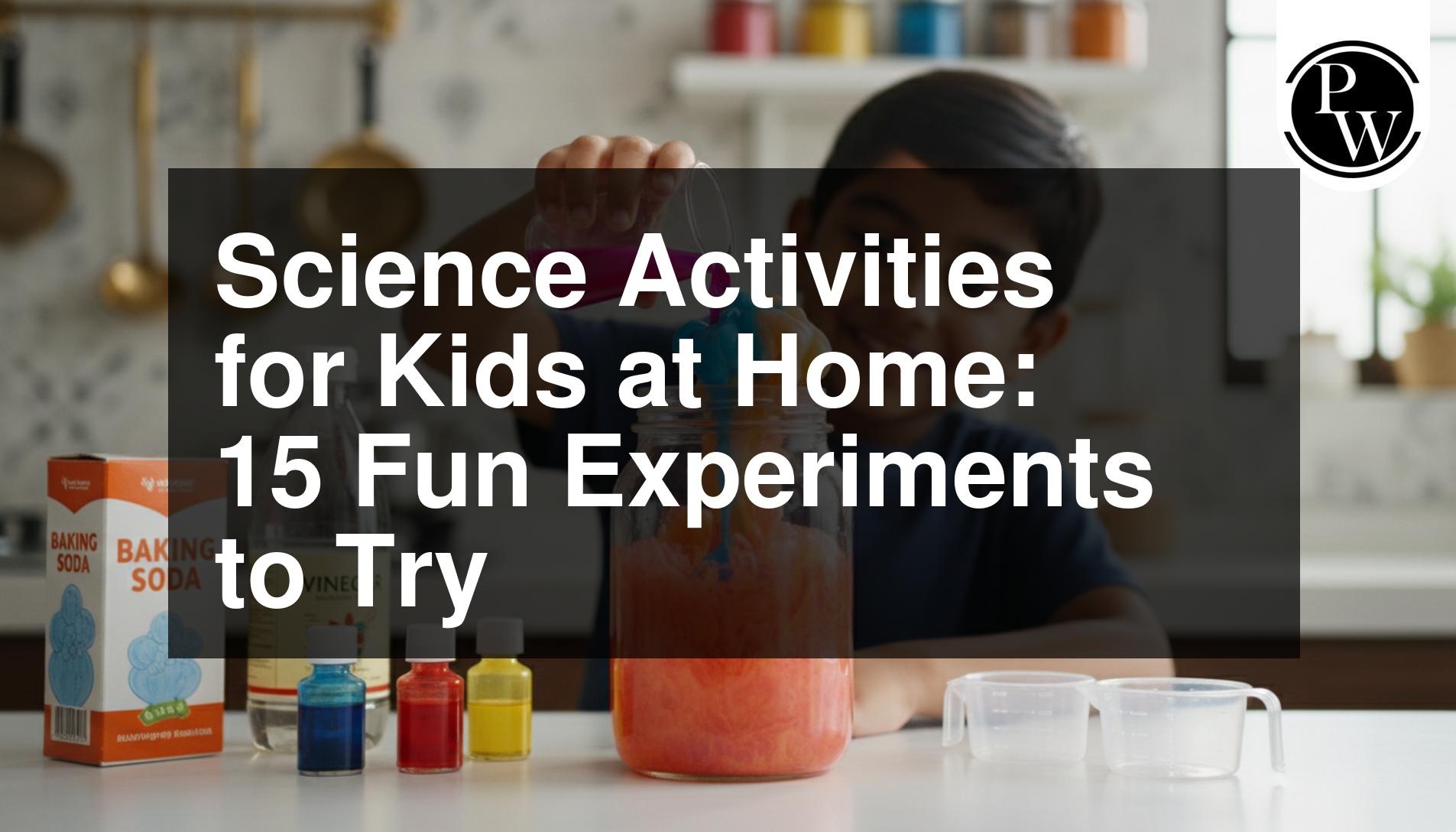
Engaging in science activities for kids at home solves this problem by turning abstract principles into vivid, memorable experiences. When young learners mix, swirl, and test simple materials, their curiosity naturally sparks.
This article explores creative, safe, and engaging ways to bring practical experiments directly to your living room table, making science both accessible and deeply enjoyable for children of all ages.
What Are Science Activities for Kids at Home
Science activities for kids at home are guided, practical tasks designed to spark curiosity and build critical thinking skills through direct trial and error. These tasks focus on foundational principles across chemistry, physics, and biology using safe materials. Instead of reading about chemical reactions or fluid dynamics, children get to witness these phenomena firsthand.
By using structured sets or simple house items, these fun science activities allow young learners to experiment, make predictions, and observe results in a secure environment. They act as powerful educational activities for kids, bridging the gap between textbook lessons and real-world applications.
What are the 15 Science Activities for Kids at Home
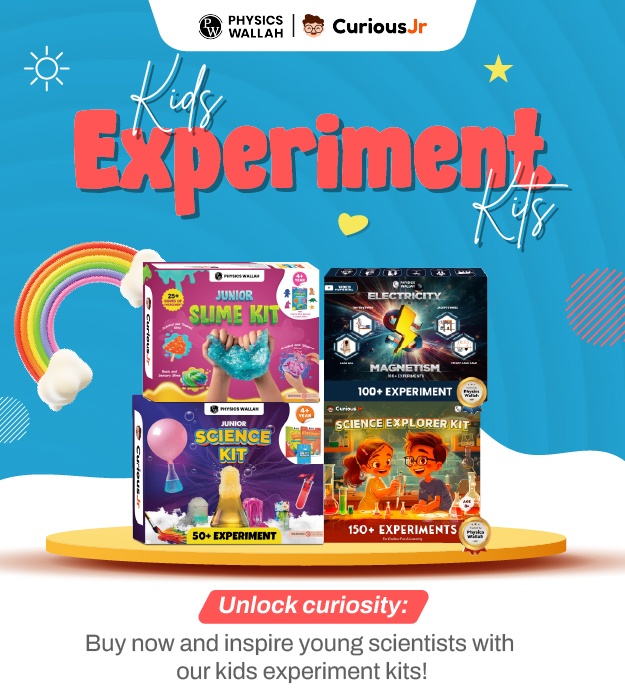
Exploring practical concepts at home keeps young minds active and curious. Here are 15 dynamic science activities for kids at home that offer hours of discovery. Using kids activity kits alongside these experiments can make learning more interactive, hands-on, and enjoyable for children.
1. Underwater Volcano
This activity lets children explore liquid densities and temperature differences. By placing warm, coloured water inside a small container immersed in cold water, young scientists watch as the warm water erupts upwards, demonstrating convection currents clearly.
2. Balloon Inflator
Using basic materials, young learners generate gas through a chemical reaction. Combining an acid and a base inside a bottle traps expanding carbon dioxide, which expands rapidly to inflate a balloon stretched over the top.
3. Magic Milk
This activity demonstrates surface tension and molecular movement. Children add drops of food colouring to milk and touch the surface with dish soap, creating a burst of swirling colours as the fat molecules react.
4. Exploding Artwork
Combining art and basic chemistry, this task encourages creative expression alongside scientific discovery. Children use fizzy reactions to splatter safe dyes onto paper, forming unique visual patterns while witnessing chemical transformations.
5. Bath Bombs
Making bath bombs introduces kids to dry chemical mixing and moisture-triggered reactions. Mixing dry citric acid and baking soda forms a solid structure that releases bubbling reactions when dropped into warm water.
6. Water Firework
This simple density experiment shows how oil and water refuse to mix. Dropping food dye into oil creates tiny droplets that sink into water, bursting open like fireworks as they dissolve.
7. Bubble Volcano
This task combines bubbling reactions with long-lasting foam. By adding soap to a basic fizzy reaction, children generate a steady stream of thick foam that overflows from their container.
8. Secret Message
Exploring acid-base indicators or oxidation, kids write invisible notes using lemon juice or specialized solutions. Applying mild heat or a revealing agent brings the hidden writing into view.
9. Soap Boat
Using surface tension, kids build tiny lightweight boats that glide across the water. Applying a single drop of soap behind the boat breaks the water’s surface tension, propelling it forward instantly.
10. Oobleck
This non-Newtonian fluid task introduces shear-thickening liquids. Mixing starch and water creates a liquid that turns solid under sudden pressure, showing how state properties change under force.
11. Whisper of the Woods
A natural observation experiment where children study sound resonance and environmental acoustic movement using simple natural structures and light sound vibrations.
12. Sunbeam of Joy
This light refraction experiment uses water and mirrors to catch sunlight, splitting white light into vibrant rainbows across the walls.
13. Royal Imagination
A creative themed discovery exercise that challenges kids to design structural builds using lightweight materials, testing strength and balance principles.
14. Cool Ocean Breeze
This temperature and air pressure exercise models how sea breezes form by creating temperature differences between warm land zones and cool water zones inside a closed tray.
15. Glow of Creativity
An exploration into luminescence where kids combine safe, fluorescent materials to observe light emission and chemical illumination in dark settings.
How to Do Science Activities for Kids at Home
Running successful science activities for kids at home requires a structured approach to keep tasks clear and educational. A 150 Science Explorer Kit can provide children with engaging, hands-on resources to explore scientific concepts. Follow this step-by-step guide:
-
Select the Activity: Choose an experiment tailored to your child's age and interest level, such as color mixing or fizzy chemical reactions.
-
Gather Materials: Prepare kid-safe materials in advance to ensure the experiment stays smooth and organized.
-
Set Up a Safe Workspace: Cover the table or ground with plastic sheets or trays to contain spills easily.
-
Form a Hypothesis: Ask your child to predict what will happen before starting the task.
-
Execute the Experiment: Follow step-by-step instructions precisely while letting the child handle safe mixing tasks.
-
Discuss the Results: Review what occurred during the experiment to reinforce key scientific takeaways.
|
Phase |
Main Focus |
Recommended Action |
|
Preparation |
Set up workspace |
Clear space, gather kid-safe materials, and lay down protective trays. |
|
Execution |
Hands-on testing |
Encourage step-by-step mixing, observation, and active questioning. |
|
Review |
Learning outcome |
Discuss chemical reactions, color patterns, or physical changes observed. |
When to Try Science Activities for Kids at Home
Finding the right moment for science activities for kids at home keeps children engaged without interrupting their routine. These activities work best during:
-
Rainy Days: Turn indoor time into interactive discovery sessions when outdoor play is limited.
-
Birthdays and Celebrations: Keep small groups entertained with engaging group tasks like bubbling volcanoes or magic milk.
-
Family Fun Weekends: Spend quality bonding time conducting hands-on tests together.
-
School Holidays: Prevent learning loss by weaving fun, educational tasks into long breaks.
Tips to Make Science Activities for Kids at Home More Fun
Maximizing engagement during science activities for kids at home requires variety and room for creative exploration. Using kids experiment kits can add hands-on learning opportunities and encourage children to explore scientific concepts through fun, practical activities.
-
Introduce Theme Packs: Themed sets like a Junior Science Kit bring structured excitement, combining color exploration, bubbling reactions, and mystery activities in one box.
-
Encourage Color Quest Testing: Let children freely mix and swirl primary shades to uncover how color patterns shift dynamically.
-
Add Mystery Elements: Incorporate surprise activities into experiment sessions to build anticipation.
-
Combine Art with Science: Let kids record their observations visually through sketches or colored charts.
Safety Measures to Follow During Science Activities for Kids at Home
Ensuring safety during science activities for kids at home keeps playtime stress-free and productive.
-
Use Kid-Safe Materials: Stick strictly to non-toxic, child-friendly components during all experiments.
-
Adult Supervision: Always maintain clear adult oversight when handling liquids or fizzy mixtures.
-
Wear Protective Gear: Use simple aprons or protective eye wear when running bubbling or messy tasks.
-
Follow Step-by-Step Guides: Stick directly to guided instructions to ensure predictable, safe outcomes every time.
Read More: Science Project Kits for School Students
Science Activities for Kids FAQs
What are the best science activities for kids at home?
Hands-on tasks such as underwater volcanoes, magic milk, and balloon inflators rank among the most engaging choices.
Are science experiments at home safe for young learners?
Yes, provided adults supervise the setup and use non-toxic, kid-safe materials.
How do fun science activities benefit early learning?
They spark curiosity, strengthen analytical thinking, and build a lasting interest in natural sciences.
What materials are required for educational activities for kids?
Most tasks utilize basic household items or specialized STEM kits containing safe, pre-measured components.
When should parents introduce science activities for kids at home?
Rainy days, weekends, and holidays are ideal times to introduce engaging home experiments.